A no-yeast homemade pizza dough made with craft beer and a par-baked pizza base made with brewer’s spent grain, with ingredients and step-by-step instructions.

A no-yeast homemade pizza dough made with craft beer and a par-baked pizza base made with brewer’s spent grain, with ingredients and step-by-step instructions.

Mixed fermentation brings together organisms from different genera, such as Saccharomyces with Brettanomyces or lactic acid bacteria. What defines it and why it takes months.

What a beer keg is, how many liters a beer barrel holds, how much a keg weighs and which types exist, including DIN, Cornelius and KeyKeg.

Learn how to make this simple beer-braised congrio with shrimp, tomato and a Pilsner, a versatile white fish from Chilean cuisine.

A versatile, easy beer rice recipe that works as a side for meat and fish or as a main course, cooked in beer and vegetable broth.

Baked beer donuts made with an Amber Ale, with ingredients, step-by-step instructions and a short history of the donut.
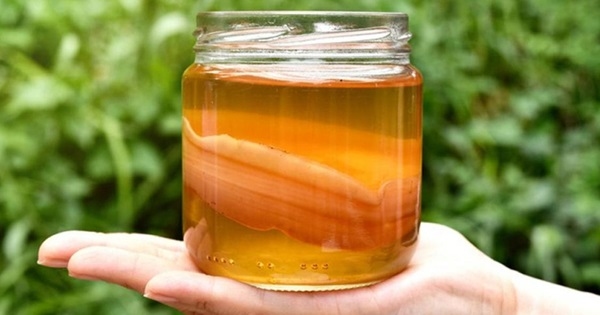
Historical records place the origin of kombucha in northeastern China, around 220 BC, where it was prepared as a medicinal drink known as hóngchájūn (red tea fungus, equivalent to black tea in the West).
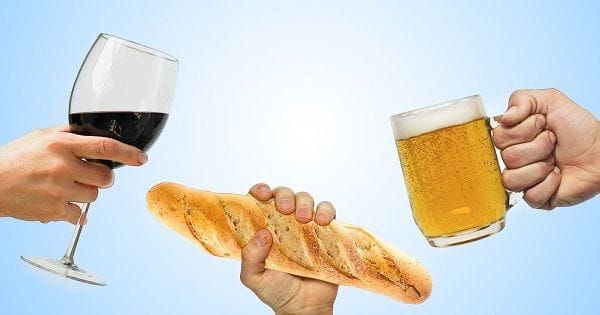
The yeast Saccharomyces cerevisiae is found in beer, wine, and bread, but also in research laboratories, as it is the organism that initiated modern biochemistry and molecular biology and remains a fundamental testing ground for science.
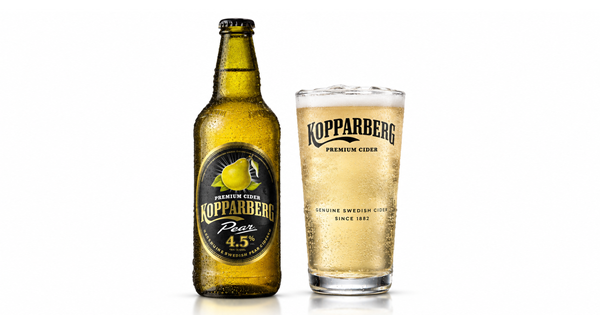
Made in Kopparberg, Sweden, by a brewery founded in 1882, Kopparberg Pear is the 4.5% sweet perry the brand suggests serving over plenty of ice.
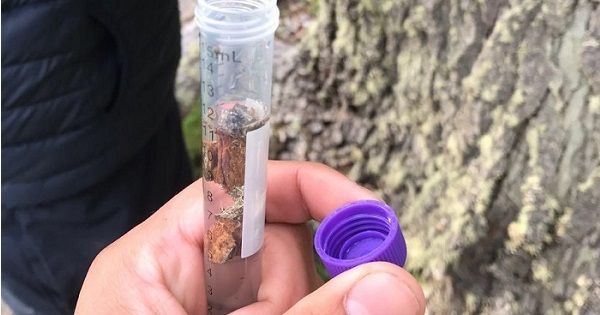
Hidden for centuries in the bark of lenga beeches, coigüe trees and araucarias of the Patagonian forest, the lost genetic link from which all the world’s lager beers are born.
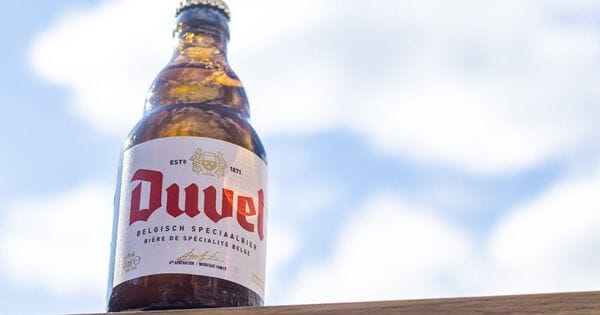
Duvel Moortgat is a family brewery founded in 1871 by Jan-Leonard Moortgat in the town of Breendonk, being one of the more than 3,000 breweries operating in Belgium at that time.
The alliance already includes associations from countries such as Germany, France, the United Kingdom, Austria, Italy, the Netherlands, Finland, Poland, Switzerland, and the Czech Republic.

When we drink Trappist beers, Belgium comes to mind first, yet these beers originated in France, a country not exactly known for its brewing tradition.
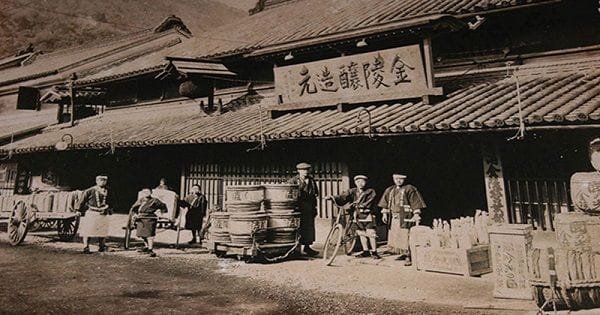
When one thinks of Japanese alcoholic beverages, sake is undoubtedly the first that comes to mind, but despite its foreign origins, beer is today without a doubt the most popular drink in Japan.

The popular myth is simple and says that the more papillae you have on your tongue, the greater your ability to taste flavors and, as a result, the more bitter beer tastes. The most recent published studies show that reality is quite a bit more complex.
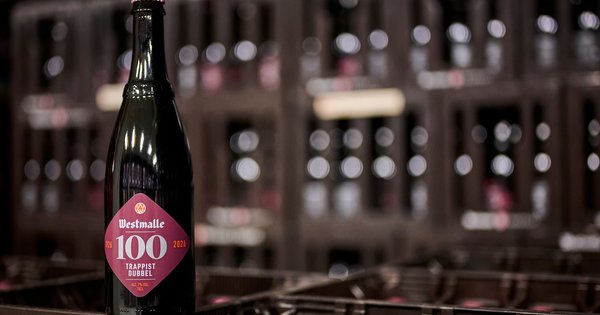
To celebrate the centenary, the brewery launched a 33-cl bottle with a commemorative label and a matching crown cap. It also presented a special edition of glasses with an anniversary design and a delicate silver rim.
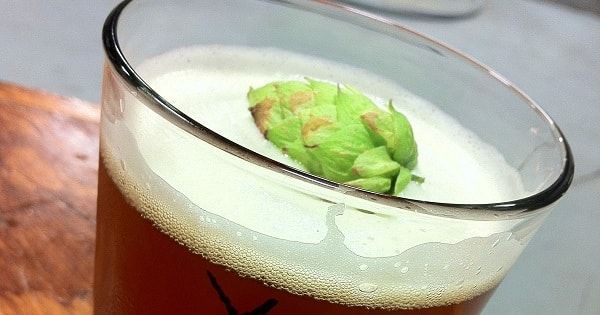
Dry hopping, also known as dry hop, is a technique used in beer brewing that aims to increase the aromas of a beer, which consists of adding dried hops to the finished beer after fermentation.

Of the 10 most expensive beers in the world, some hit astronomical prices on release, while others are still brewed in exclusive batches.
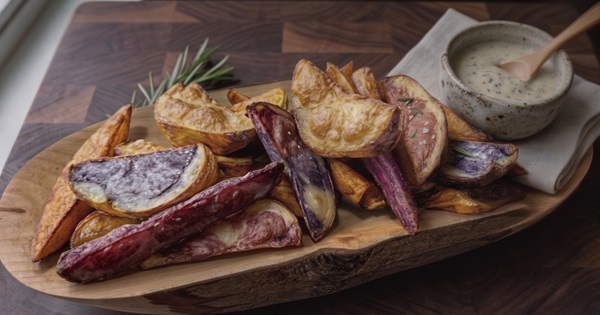
The Belgians point to fishermen from the Meuse River, who fried potato strips when the waters froze in the 17th century. The French point to street vendors at Paris’s Pont Neuf, who popularized them in the late 18th century.
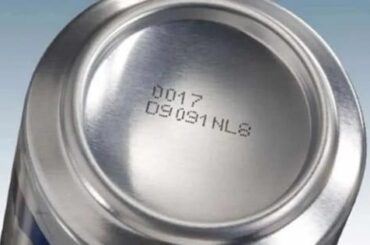
Beer rarely expires the same way perishable food does. A guide to understanding best before dates, proper storage, and the signs that tell you a beer has passed its prime.
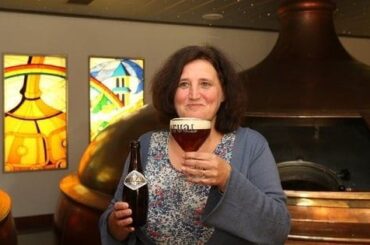
Things have changed a great deal in a world dominated mostly by men, as Trappist abbey breweries have been over the past few decades.
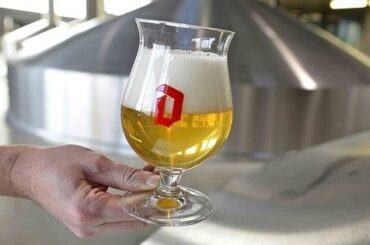
The tulip glass is very similar to the snifter, but larger, with a longer stem and a curve that flares at the top, ideal for full-bodied, aromatic and complex beers.

From cereal already being fermented 13,000 years ago to the end of Prohibition, this is how beer changed human history, with its facts and its myths.
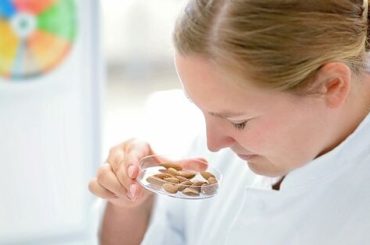
This standard is fundamental in sectors such as food, oenology, the brewing industry, and cosmetics, where the validity and reproducibility of results depend largely on the conditions in which they are conducted.
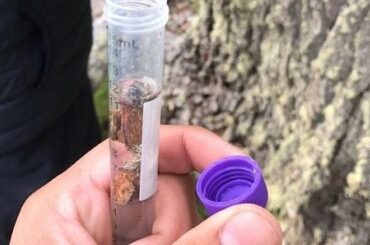
Hidden for centuries in the bark of lenga beeches, coigüe trees and araucarias of the Patagonian forest, the lost genetic link from which all the world’s lager beers are born.

Beer foam (collar or head) is one of those things that has a specific name that most people are unaware of: ‘Giste’, a word that comes from the German ‘Gischt’, which precisely means foam.
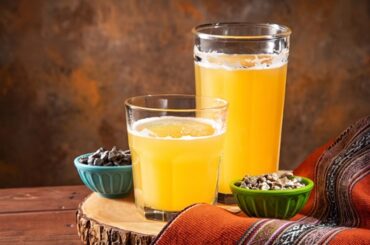
Chicha beer is not chicha mixed with beer. It is its own craft beer style born in the Andes, combining jora corn with barley malt, using local herbs instead of hops, and mixed fermentation instead of industrial yeasts.

Beer is a beverage that is ‘alive’, that changes over time, because from the very moment it leaves the brewery, its characteristics evolve, sometimes positively and often undesirably.
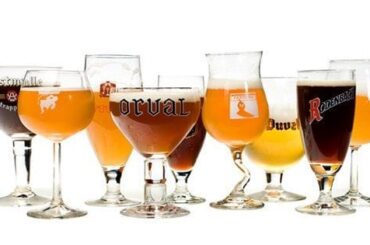
Choosing the best Belgian beers in what is a true paradise for beer lovers is no easy task. Declared an Intangible Cultural Heritage of Humanity, the beers produced by this small country are of unquestionably recognized quality.
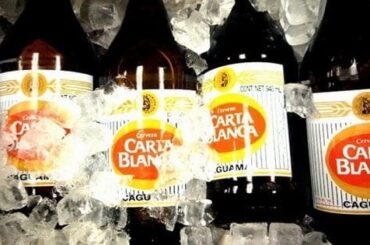
The Mexican caguama, before becoming the emblematic measure for evaluating how much alcohol you should consume, had a much more modest and family-oriented origin.
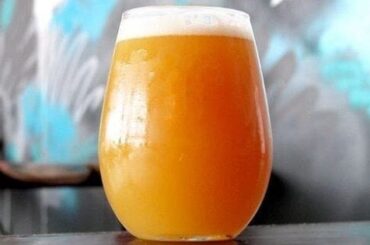
A juicy IPA tastes of passion fruit or grapefruit with no fruit added. What the BJCP says, how it differs from a hazy or NEIPA, and which molecules explain it.
Learn how to make this simple beer-braised congrio with shrimp, tomato and a Pilsner, a versatile white fish from Chilean cuisine.
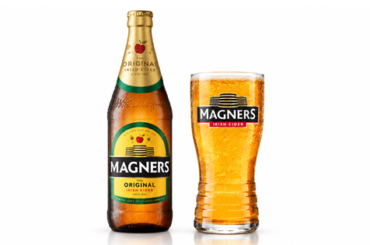
Made in Clonmel since 1935 with 17 apple varieties, Magners Original is the 4.5% semi-sweet Irish cider the brand suggests serving in a pint over ice.
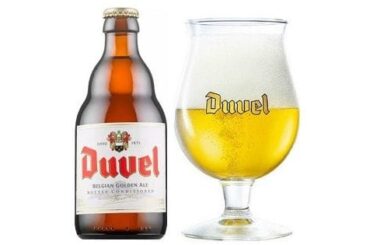
Duvel is an emblematic Belgian beer that, since its creation in the 1920s, has achieved iconic status in the beer world for its complexity and balance.
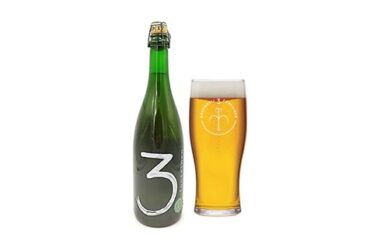
3 Fonteinen Oude Geuze is a blend of one, two and three year old spontaneously fermented lambics, barrel-aged and bottle-refermented, with lively acidity and an earthy profile typical of the style.
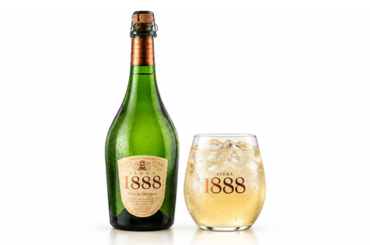
Sidra 1888 is the 5% cider Sáenz Briones makes from red apples in Argentina’s Alto Valle de Río Negro, at a company owned by CCU since 2010.
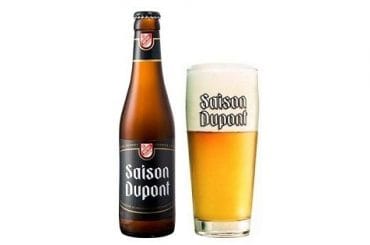
Saison Dupont is a Belgian top-fermented beer, bottle-conditioned, brewed since 1844 during the winter to quench the thirst of the “saisoniers” who would work in the fields during the summer.
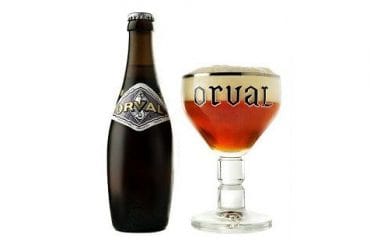
Unlike all other Trappist breweries, Orval produces only one variety of beer for the general public, with just 15% of its total production available for export.
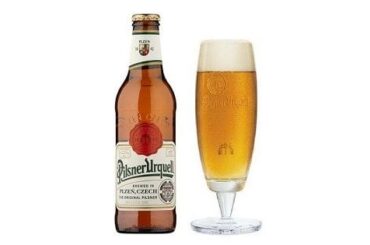
Pilsner Urquell is the first beer of its kind in history and the one from which, for better or worse, all others in its style were developed. Its quality is guaranteed by the use of the original recipe.
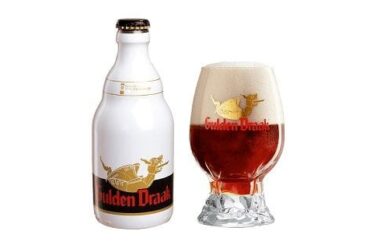
Gulden Draak is a Belgian strong ale-style beer originating from Ertvelde, Belgium, and brewed by Brouwerij Van Steenberge, with 10.5% ABV, 18 IBU, and 255 total calories.
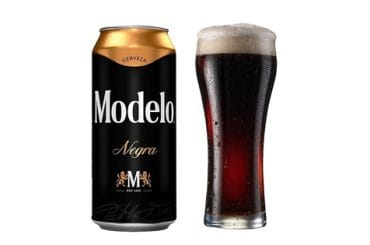
The story of Negra Modelo goes beyond the beer itself; it is a narrative that combines tradition, innovation, and deep cultural roots in Mexico.

Petrus Aged Red is brewed from a Double Brown Ale base blended with 15% Petrus Aged Pale, which gives the beer a dry character and a light bitter edge.
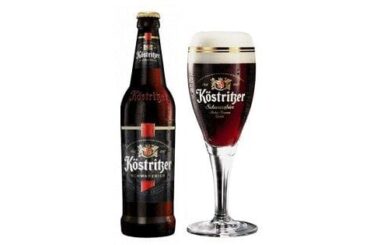
Köstritzer Schwarzbier is a bottom-fermented black lager. It has been produced since 1543 by the Köstritzer Schwarzbierbrauerei brewery, in the German state of Thuringia.
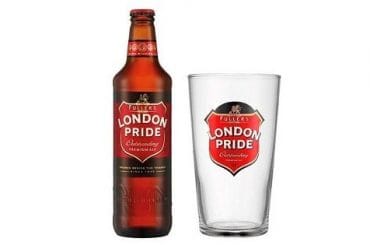
Fuller’s London Pride is one of England’s most iconic beers and a true emblem of the Best Bitter style, appreciated by generations of beer lovers around the world.
The yeast Saccharomyces cerevisiae is found in beer, wine, and bread, but also in research laboratories, as it is the organism that initiated modern biochemistry and molecular biology and remains a fundamental testing ground for science.

Corona Extra is the world’s most valuable beer brand in 2026, worth $13.9 billion. Brand Finance ranking plus the historic 2018 list.

Climate change is not only transforming ecosystems and altering weather patterns but is also putting at risk one of humanity’s most iconic cultural products: beer.

Cristal and Pilsen Callao, from Backus, are Peru’s best-selling beers. Learn their history and other brands such as Cusqueña, San Juan, Tres Cruces and Barbarian.

The big brewers trade on the NYSE, Euronext and the Tokyo Stock Exchange. A guide to investing in AB InBev, Heineken, Carlsberg, Constellation Brands and Molson Coors from Latin America and Spain.

Next Glass acquired BeerAdvocate in February 2020 in a deal that brought under one roof the oldest beer review community on the internet and the world’s most popular consumption tracking app.
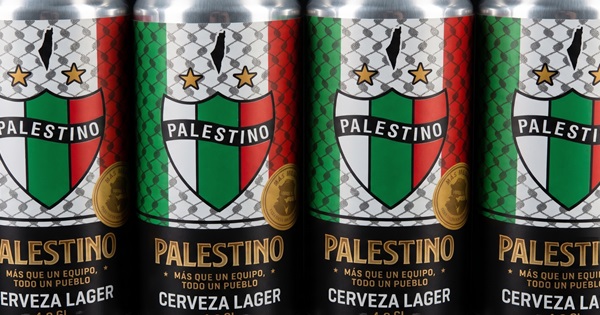
Over 500,000 people of Palestinian descent live in Chile today, where second, third, and fourth-generation families keep alive the language, traditions, and memory of a territory many have never been able to return to.

The decline is especially marked among young people aged 15 to 24, who have reduced their usual consumption by around 60% over the last two decades. Spain is the fifth country in the European Union with the most abstainers.

The best-selling beer in each Latin American country with 2024 to 2026 data, from Brazil and Mexico to Costa Rica, and the brewing groups that control the market.

Beer is one of the most popular alcoholic beverages among Peruvians, always present at social activities. Discover the most common slang expressions Peruvians use when heading out for beers with friends.

Plastic packaging has changed the way we live. It is cheap, can be molded into almost any shape and is generally easy to recycle.
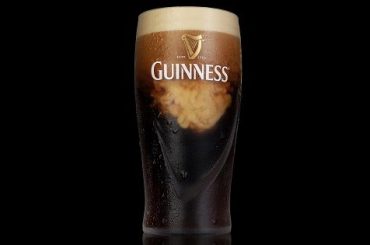
Nitro beer has been dismissed as a passing trend more than once — yet it keeps finding new fans and new formats. From the Guinness widget to nitro Cream Ales and Lagers, here is the science and history behind the nitrogen revolution in beer.
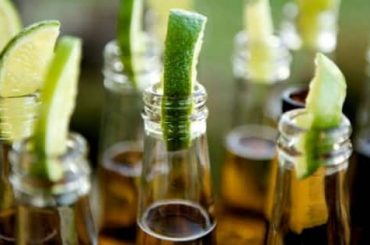
Why is a slice of lemon placed on the neck of clear glass beer bottles and not on others? It is a mystery that has never really been clear until now.
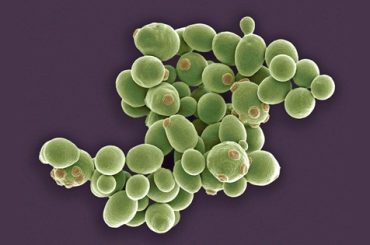
The rise of non-alcoholic or low-alcohol beers has led the brewing industry to explore new yeast strains and fermentation techniques.
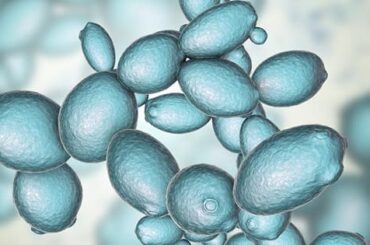
To identify S. chiloensis as a new species, scientists used an integrative taxonomy approach, combining analysis of genomic sequences, reproductive isolation studies, and phenotypic analyses.
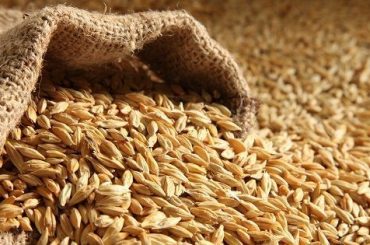
Brewing beer with less than 0.5% alcohol involves stopping fermentation early or removing ethanol afterward, and in both cases more residual fermentable sugar remains in the liquid than in a conventional beer.

In answers from AI search assistants (LLMs), the algorithm does more than rank pages. It can break content into fragments, pull relevant ideas from different sites and combine them into a single unified answer for the user.
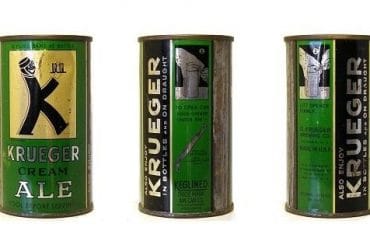
On January 24, 1935, the first canned beer went on sale after decades of experiments and more than ten years of Prohibition, thanks to the Gottfried Krueger Brewing Company in Richmond, Virginia.

Pressurization with liquid nitrogen enables lighter, thinner PET bottles without compromising structural integrity — reducing plastic use and distribution costs.

Planning a big party, a barbecue or a day at the pool with friends or family? One key to success is having plenty of fresh, cold beer on hand.

It’s undeniable that TikTok is one of the social networks of the moment, developing exponential growth since 2020 until reaching…
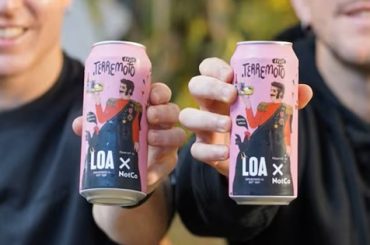
The beverage, named “Ocho punto ocho” (8.8), combines the characteristic flavor of the terremoto with a different nutritional profile, standing out for its lower sugar content and half the calories compared to the homemade version.
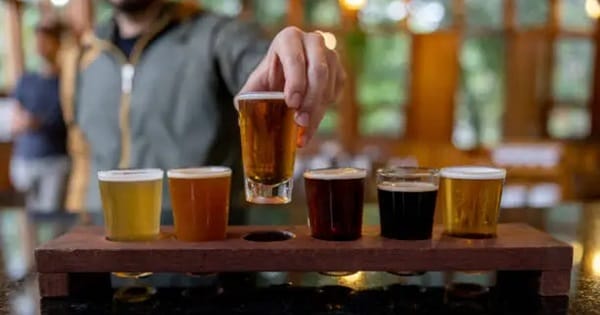
An uncomfortable reality in the mass certification circuit is that many judges have never brewed professionally, leaving them without the tools to diagnose processes they claim to correct from score sheets.

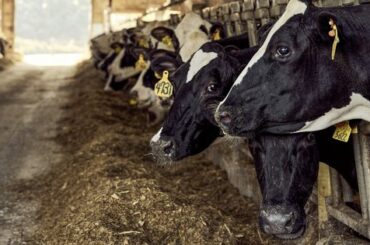
The Brews to Barns Act would give small US breweries 8 cents per pound of spent grain donated to farms, capped at $35,000 a year.

Grupo Modelo hands over the store ready to operate and pays the rent, and the operator puts up an initial investment that starts at 60,000 pesos, according to the company itself, and that goes entirely toward inventory.

The decline is especially marked among young people aged 15 to 24, who have reduced their usual consumption by around 60% over the last two decades. Spain is the fifth country in the European Union with the most abstainers.

Next Glass acquired BeerAdvocate in February 2020 in a deal that brought under one roof the oldest beer review community on the internet and the world’s most popular consumption tracking app.
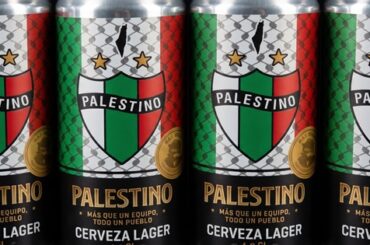
Over 500,000 people of Palestinian descent live in Chile today, where second, third, and fourth-generation families keep alive the language, traditions, and memory of a territory many have never been able to return to.

The big brewers trade on the NYSE, Euronext and the Tokyo Stock Exchange. A guide to investing in AB InBev, Heineken, Carlsberg, Constellation Brands and Molson Coors from Latin America and Spain.
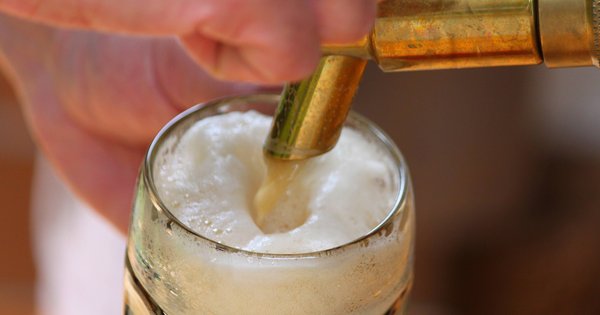
That relationship was described by the English chemist William Henry, and today it rules everything from the bottle cap to the regulator on a keg. That is why a British ale, a weissbier and a Czech pilsner can feel so different in the glass.
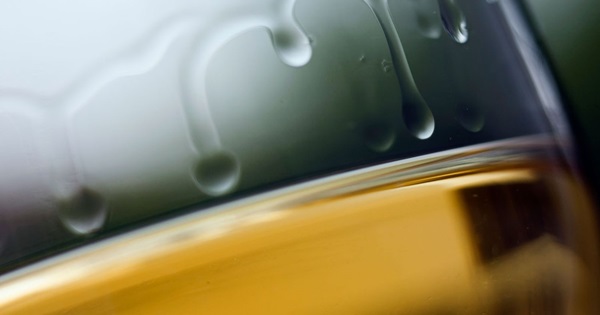
Several mistaken ideas about beer tears are going around, and they come from the world of wine and whisky. That they reveal quality, that glycerol produces them or that they form because alcohol concentrates at the top of the glass.
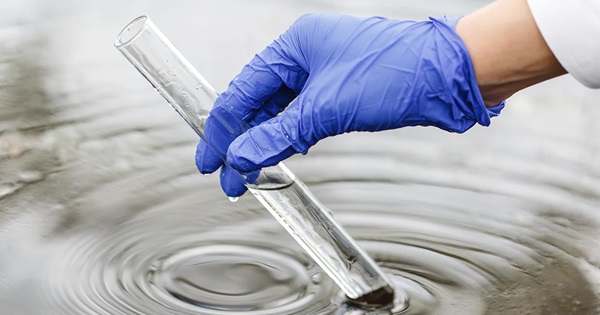
PFAS, per- and polyfluoroalkyl substances, are a large family of synthetic compounds built on carbon-fluorine bonds, among the most stable in chemistry.
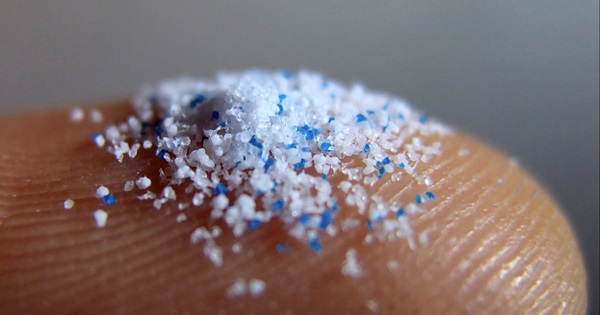
The figures vary widely between countries, from 4 particles per liter in the United States to more than 90 in Spain. Much of that difference lies in how they are measured and understanding that matters as much as the number.
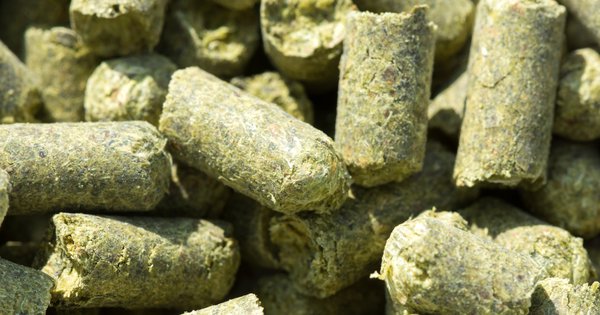
Hops bring their own enzymes that break down dextrins and reactivate the yeast after dry hopping. What hop creep is, how much alcohol and CO₂ it adds and how to stop it.