Analyzing a beer requires different perspectives depending on the context and objective. What for a trained judge establishes quantifiable parameters, for a hobbyist consumer can be a memorable sensory experience.
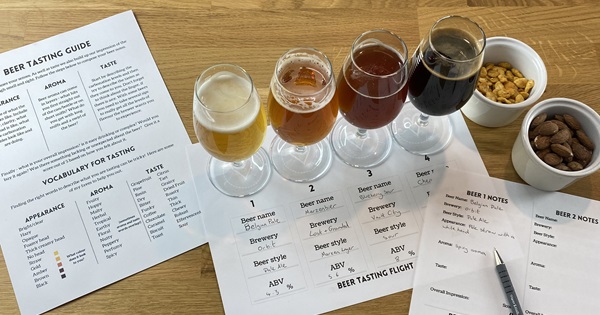
Analyzing a beer requires different perspectives depending on the context and objective. What for a trained judge establishes quantifiable parameters, for a hobbyist consumer can be a memorable sensory experience.

For millennia, human saliva was the most effective enzyme for creating fermentable sugars as an intimate biochemical reaction that defined the history of fermentation long before agriculture.

For early humanity, beer was perhaps the most important staple in their diet—a valuable source of protein and vitamins, and a crucial milestone in ensuring our survival as a species.

Discover the Origin of the Word “Cerveza” and Its Various Variations by Exploring the Main Theories About Its Etymology and Its Relationship with Different Cultures in This Fascinating Linguistic Journey.
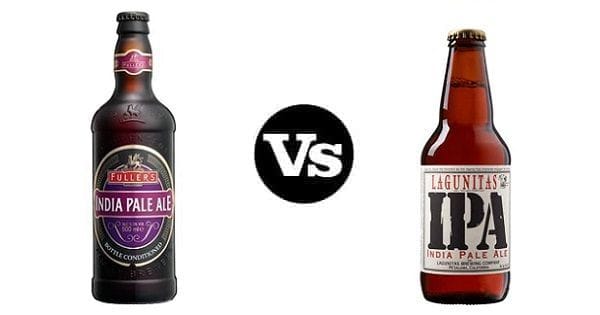
IPA beers (India Pale Ale) are a top-fermented beer style with over 200 years of history, increasingly widespread and appreciated around the world, and from which new variations emerge from time to time.

IPAs are one of the most popular beer styles worldwide, yet there are people who cannot stand hop-heavy bitter beers, and this could be due to a genetic variation in their perception of this taste.
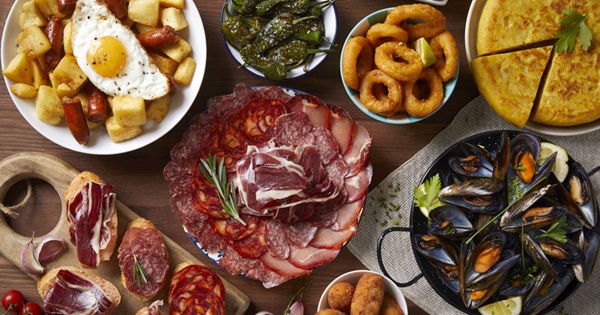
Its designations of origin, the richness of its cured and smoked products, as well as its regional variety—from Atlantic Galician cuisine to Levantine pastry—offer a vast territory to explore the principles of beer pairing.
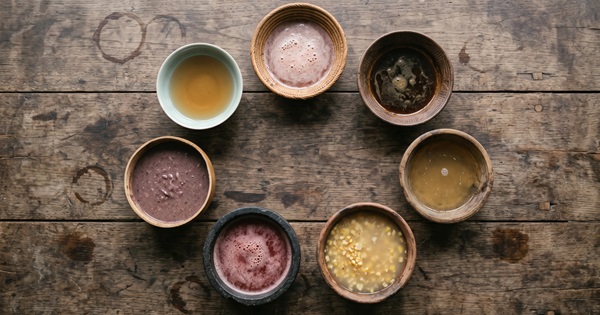
Beer is a perfect example of what in anthropology is known as cultural convergence, a phenomenon in which civilizations separated by oceans and millennia arrived at the same technological solution without having influenced each other.
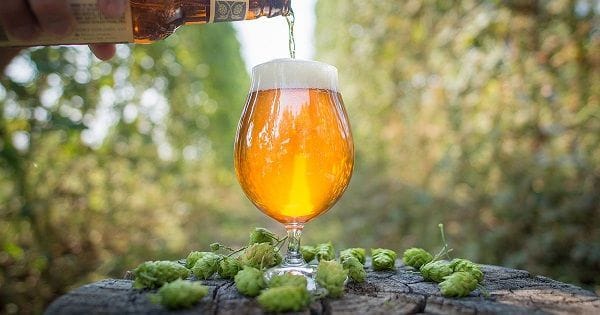
The idea was born with the help of social media in 2011, with Ashley Routson and Ryan Ross as its main promoters, quickly spreading globally as one of the most important beer style celebrations.
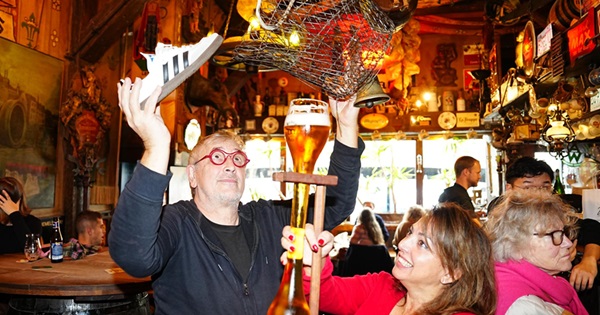
One of the strangest experiences you can have on a beer night happens in Ghent, Belgium. You walk into a medieval-looking bar, order a pint, and instead of reaching for your wallet, the waiter asks you to take off your shoe.

Whether you’re a beginner homebrewer or an experienced one with years of practice and hundreds of batches under your belt, the fundamentals always remain the same.
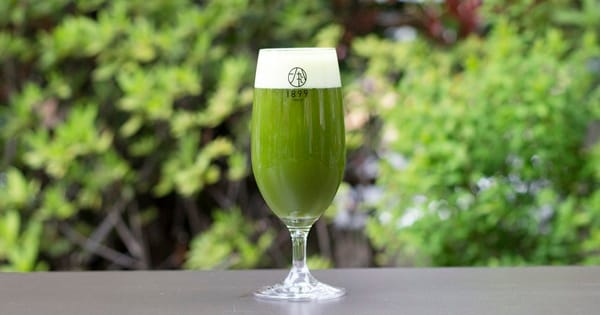
Traditional Japanese green tea known as matcha is no longer just a trend in specialty cafés, tea rooms, and restaurants. What happens when you mix it with beer?

The interaction between alcohol and dopamine is a neurological phenomenon that explains the immediate effects of alcohol consumption, as well as the underlying mechanisms of addiction and mood disorders.

Things have changed a great deal in a world predominantly dominated by men, as Trappist Abbey breweries have been for the last few decades.

The brewing of the Gose style was established during the 16th century in the then-prosperous mining city of Goslar, in the north-central region of Germany (present-day Lower Saxony), which had built its wealth through silver extraction.

This study, published in Foods, represents the first systematic analysis of umami peptides present in lager beer and their multidimensional effects on the sensory properties of the beer body.
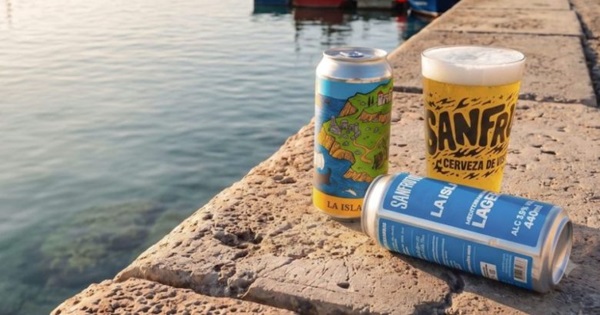
The Spanish Association of Sommellerie and Beer Culture (ASYCCE) has established the Mediterranean Lager as the country’s first officially native style, with a technical description including clear sensory parameters.

Does regular beer consumption affect the development of prostate diseases such as benign prostatic hyperplasia (BPH) or prostate cancer? Could there be any positive effect on prostate tissue from moderate beer consumption?
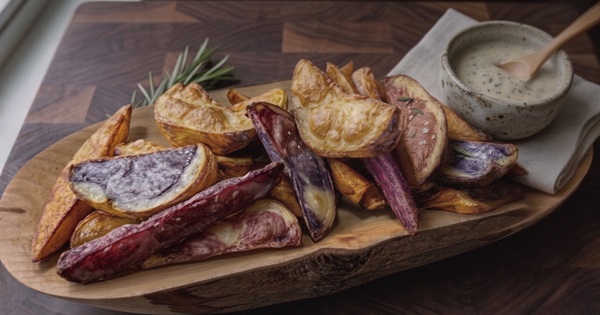
The Belgians point to fishermen from the Meuse River, who fried potato strips when the waters froze in the 17th century. The French point to street vendors at Paris’s Pont Neuf, who popularized them in the late 18th century.

IPAs are one of the most popular beer styles worldwide, yet there are people who cannot stand hop-heavy bitter beers, and this could be due to a genetic variation in their perception of this taste.

Gushing is an undesirable phenomenon in beer characterized by an excessive and violent release of carbon dioxide (CO₂) when opening a bottle or can, leading to an uncontrollable overflow of foam and liquid.

Historically, brewers around the world have used locally available water to brew their beer, leading to the development of beer styles associated with specific mineral water profiles found in those places.
On January 24, 1935, the first canned beer went on sale after decades of experiments and more than ten years of Prohibition, thanks to the Gottfried Krueger Brewing Company in Richmond, Virginia.

For early humanity, beer was perhaps the most important staple in their diet—a valuable source of protein and vitamins, and a crucial milestone in ensuring our survival as a species.

From ingredient selection to final fermentation, chemistry is essential to understanding how flavors and aromas develop, allowing brewers to adjust the process for specific results.

Law No. 21.363, published on August 6, 2021, introduced significant changes to Chile’s regulations on the commercialization, labeling and advertising of alcoholic beverages.

The sober curious movement is defined as the introspective practice of questioning one’s personal relationship with alcohol, prioritizing physical and mental well-being without the need to adopt a label of absolute abstinence or addiction recovery.
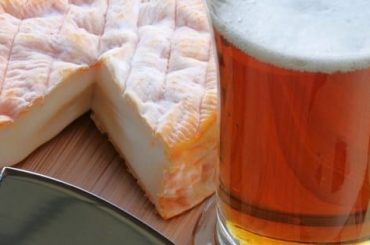
Beer and cheese pairing offers an enormous world of sensations, mainly due to their common points such as yeasts, earthy nuances, toasted aromas, and floral or fruity notes.
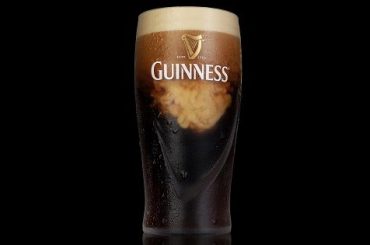
If you have ever visited Ireland, you have surely tasted a Kilkenny, Murphy’s or Guinness beer in one of its many pubs with a spirit that exudes authenticity from every corner.

Marijuana and hops are genetically “cousins,” as both are members of the Cannabaceae family, sharing more similarities than we commonly believe.

Chile has one of the finest terroirs in the world, thanks to its long territory, which has allowed it to develop a strong diversification of grape varieties and, therefore, a powerful wine presence at a global level.
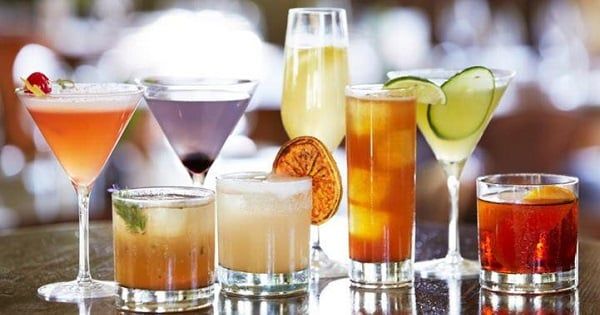
Until recently, beer had not quite made its way into the sometimes exclusive world of cocktails, even though it possesses a diversity of flavors that has not gone unnoticed. Discover 20 selected beer cocktail recipes to prepare at home.




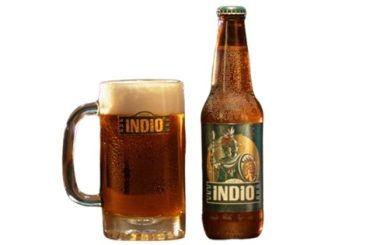
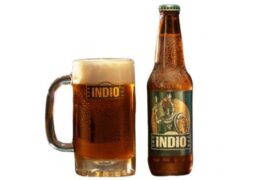
Indio is one of Mexico’s most iconic beers, with a rich history dating back to 1893. It emphasizes the use of local ingredients and traditional brewing techniques.
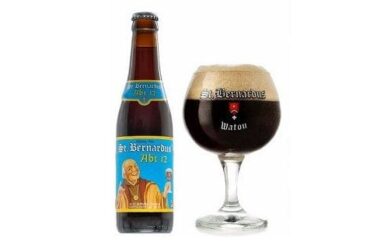
The pinnacle of the St. Bernardus portfolio is a dark-colored, ivory-foamed, top-fermented beer that is easy to drink due to its smooth flavor and fruity aroma.
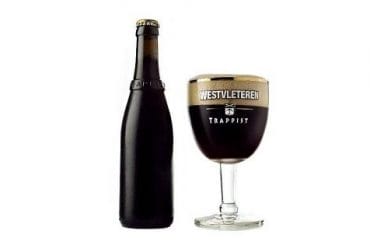
Westvleteren 12 (XII) Abt. is virtually a modern brewing legend, consistently ranked among the world’s best beers for years in publications and industry rankings.
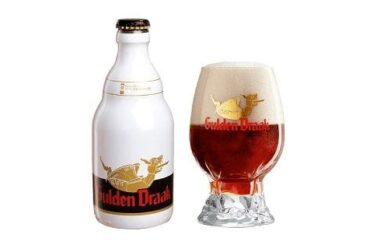
Gulden Draak is a Belgian strong ale-style beer originating from Ertvelde, Belgium, and brewed by Brouwerij Van Steenberge, with 10.5% ABV, 18 IBU, and 255 total calories.
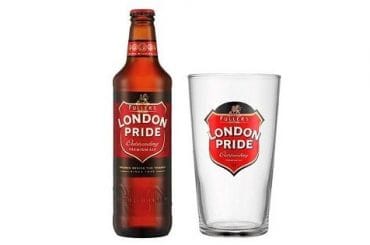
Fuller’s London Pride is a Best Bitter-style beer brewed by Fuller’s Griffin Brewery in Chiswick, England, with 4.7% ABV, 37 IBU, and 260 calories.
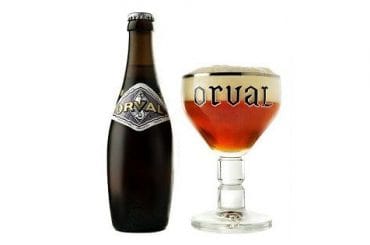
Unlike all other Trappist breweries, Orval produces only one variety of beer for the general public, with just 15% of its total production available for export.
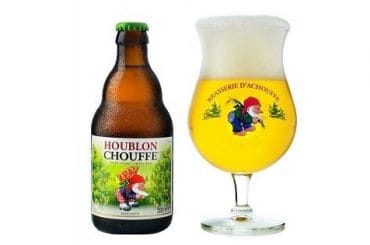
Houblon Chouffe Bière Tripel IPA represents a unique fusion of the English IPA tradition, the American Double IPA revolution, and the Belgian Tripel heritage.
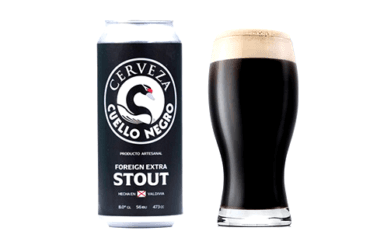
Cuello Negro Stout is a craft beer made with pure water from the Valdivian rainforest in southern Chile, whose flavor comes from a careful brewing process that gives it an unmistakable distinctive character.
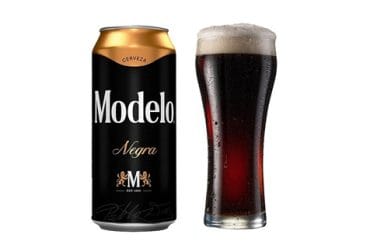
The story of Negra Modelo goes beyond the beer itself; it is a narrative that combines tradition, innovation, and deep cultural roots in Mexico.

Drinking beer is a very common social activity, especially when enjoyed with friends. However, after having a couple of beers, it is common to notice that bathroom visits increase significantly.

Next Glass acquired BeerAdvocate in February 2020 in a deal that brought under one roof the oldest beer review community on the internet and the world’s most popular consumption tracking app.
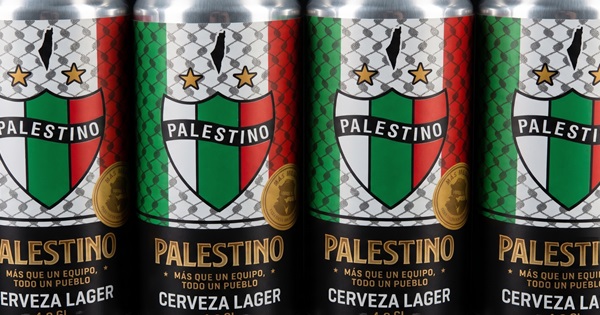
Over 500,000 people of Palestinian descent live in Chile today, where second, third, and fourth-generation families keep alive the language, traditions, and memory of a territory many have never been able to return to.

To start this top 10 of the best-selling beers in the world, we can comment that for 2020, most of them are on the way to generating an impressive sum of 688.4 billion dollars in sales.
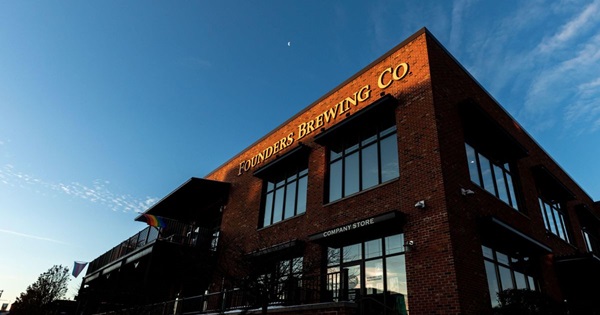
Mahou San Miguel has announced the acquisition of 100% of Founders Brewing, one of the most prestigious craft breweries in the United States, based in Grand Rapids, Michigan.
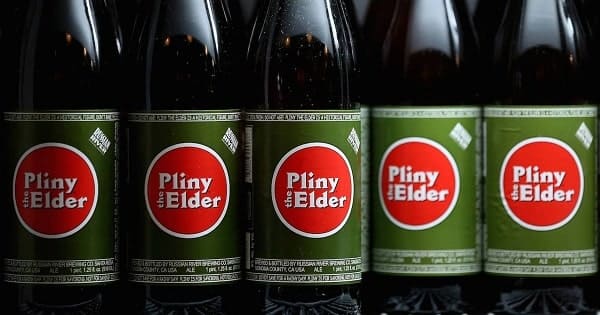
The beer Pliny the Elder takes its name in honor of the Roman traveler, naturalist, historian, and writer Gaius Minor Plinius Caecilius Secundus, who is credited with having given the first botanical name for hops.

We invited Rob Tod, founder of Allagash Brewing Co., to share 20 practical lessons for brewery success learned over 25 years of activity. This was his response.

A Kantar Millward Brown annual study reveals that 5 of the 6 most valuable brands in Latin America are beer brands. Discover which beer leads sales in each country of the region.

In South Korea, the two most popular alcoholic beverages are soju and beer. This is why the smooth and delicious beer cocktail known as “somaek” has gained immense popularity, creating a perfect combination of both.

The cold chain essentially means that the product being distributed is kept refrigerated at a constant temperature at all times, including during transportation.

The STC-1000 temperature controller lets you manually program a precise temperature range for your fermenter inside a refrigerator, freezer, or appropriately sized cooler.

Traditional SEO is shifting ground. It’s no longer enough to optimize to appear on Google’s first page; the battle is now fought in the responses of large language models (LLMs).

To identify S. chiloensis as a new species, scientists used an integrative taxonomy approach, combining analysis of genomic sequences, reproductive isolation studies, and phenotypic analyses.
Nitro beer has been dismissed as a passing trend more than once — yet it keeps finding new fans and new formats. From the Guinness widget to nitro Cream Ales and Lagers, here is the science and history behind the nitrogen revolution in beer.
Historically, brewers around the world have used locally available water to brew their beer, leading to the development of beer styles associated with specific mineral water profiles found in those places.
On January 24, 1935, the first canned beer went on sale after decades of experiments and more than ten years of Prohibition, thanks to the Gottfried Krueger Brewing Company in Richmond, Virginia.

The relationship between the chemical composition of a beer and its consumer appreciation has been an elusive field for food science, due to the non-linear nature of perception and its complex interactions.
Every consumer already has their preferences: some reject cans while others love the creative designs they can carry. This article cuts through the aesthetics to lay out the objective facts on which format is better depending on the conditions.

Craft and independent brewers dedicate a great deal of time, effort, and resources to making the best beer possible, but all of this hard work can be ruined in the time it takes the beer to travel from the keg to the pint.

A team at Chalmers University of Technology has developed a biodegradable construction material made from baker’s yeast, algae alginate, wood cellulose, and vegetable glycerol—3D printable at room temperature with no heating, no support structures, and no waste.

The beverage, named “Ocho punto ocho” (8.8), combines the characteristic flavor of the terremoto with a different nutritional profile, standing out for its lower sugar content and half the calories compared to the homemade version.
The idea was born with the help of social media in 2011, with Ashley Routson and Ryan Ross as its main promoters, quickly spreading globally as one of the most important beer style celebrations.

The PERP framework offers a structural model for understanding how global warming alters the biological cycles of barley and hops, with concrete responses to maintain quality and economic viability.

Google’s algorithm doesn’t always prioritize specialized beer media, but now it allows you to add The Beer Times as a preferred content source in Google Discover in less than a minute.

Tradition holds that Pythagoras, the celebrated mathematician and philosopher who founded his school in Croton, in southern Italy, grew tired of watching some of his disciples abuse wine during symposia.
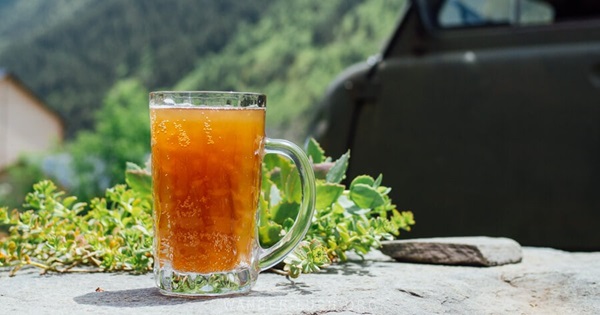
In Tusheti, a remote region of the Georgian Caucasus, the sacred drink is not wine but aludi: a beer brewed with sun-malted barley and wild hops whose recipe has been passed down from grandmother to granddaughter for centuries.