The idea was born with the help of social media in 2011, with Ashley Routson and Ryan Ross as its main promoters, quickly spreading globally as one of the most important beer style celebrations.
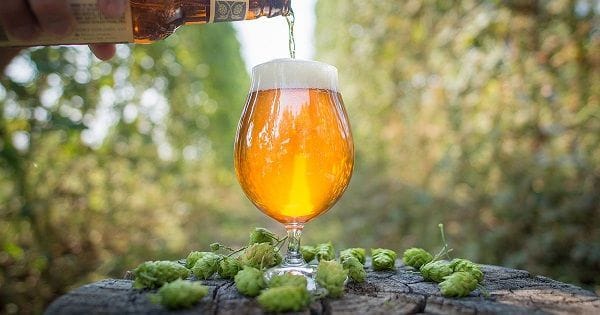
The idea was born with the help of social media in 2011, with Ashley Routson and Ryan Ross as its main promoters, quickly spreading globally as one of the most important beer style celebrations.

The legend about the origin of IPAs says that British brewers were looking to develop a recipe that could be exported to India, a very difficult journey where it was exposed to dramatically extreme temperatures.
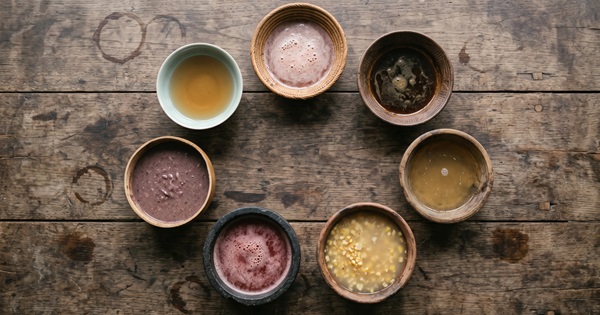
Beer is a perfect example of what in anthropology is known as cultural convergence, a phenomenon in which civilizations separated by oceans and millennia arrived at the same technological solution without having influenced each other.

The cold chain essentially means that the product being distributed is kept refrigerated at a constant temperature at all times, including during transportation.
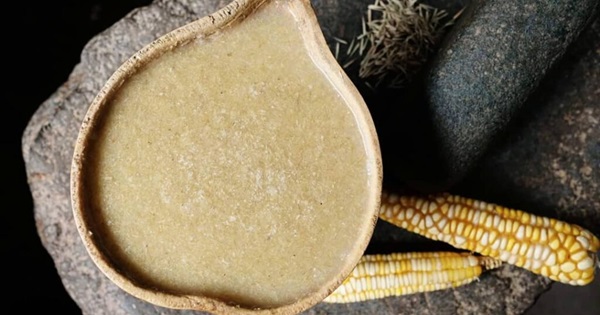
Tesgüino is a corn beer produced by the Rarámuri in the Sierra Tarahumara, Chihuahua, which still remains integrated into their labor exchange systems, ritual organization, and identity reproduction.

Unlike the initial perception of flavor, the aftertaste manifests in a late phase, when sapid molecules interact with specific areas of the tongue and the retronasal olfactory epithelium.

Chile has one of the finest terroirs in the world, thanks to its long territory, which has allowed it to develop a strong diversification of grape varieties and, therefore, a powerful wine presence at a global level.
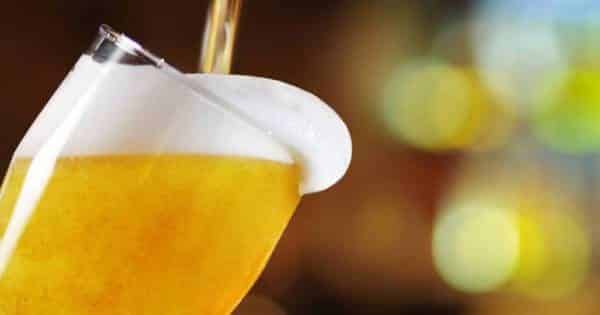
Beer foam is much more than a simple sensory ornament. Behind its light and ephemeral appearance lies a complex system that depends on a delicate interaction between chemical components, interfacial properties, and hydrodynamic dynamics.
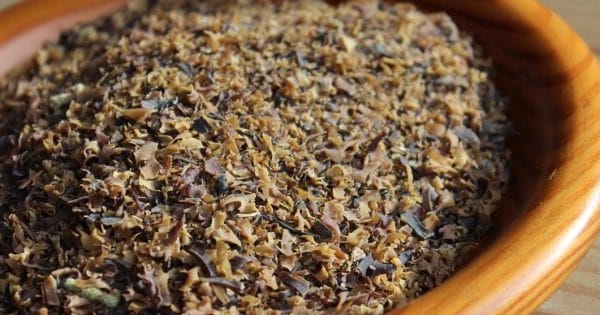
Irish moss, or carrageenan, is a red seaweed used to clarify and stabilize beer during the boil. Learn how it works, how to use it, and how it compares to other fining agents.
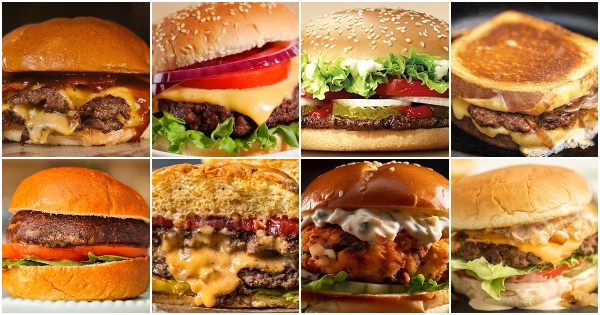
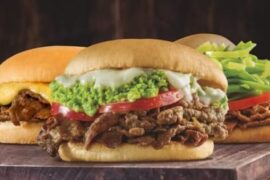
Few pleasures are as universally enjoyed as a good burger paired with a cold beer. A guide to pairing ten classic burger styles with complementary beers, exploring how carbonation, flavor profiles, and aromas create memorable culinary experiences.
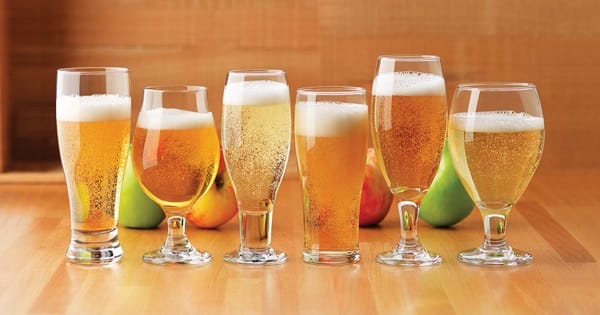
CAMRA is calling on the British government to raise the minimum juice content in cider from 35% to 50%. 87% of consumers support the change, which would bring the UK in line with the US and Germany.

With so many great beers out there, it’s dangerously easy to slide into full beer snob territory — and end up drinking alone. Here’s how to keep it fun.
The Brewers Association has just published the latest update of its 2026 Beer Style Guidelines, one of the most influential reference documents for the craft in
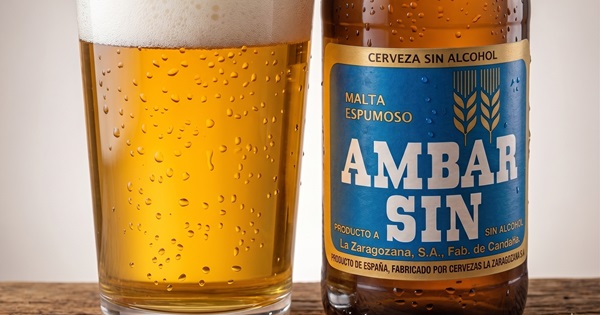
In 1976, La Zaragozana launched Ambar SIN, Spain’s first non-alcoholic beer. Fifty years later, the country leads European consumption at 14% of the market. The story of the inventor, the blue label, and the journey from 4,000 small bottles to global stardom.

Saint Joseph Abbey was founded in 1950 on a tree-covered hilltop north of the city of Spencer, Massachusetts, and is home to the monks of the Cistercian Order of the Strict Observance, better known as Trappists.
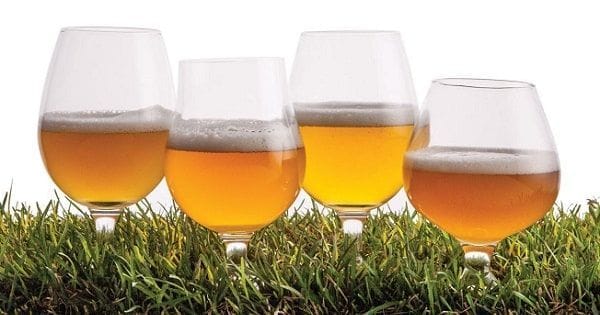
Saison beers were an early form of “fuel” in pre-industrialized Belgian farms, a crucial component for the success of the harvest season in the old farmhouses of the country.
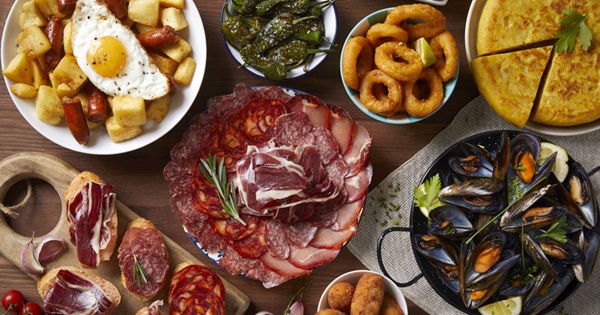
Its designations of origin, the richness of its cured and smoked products, as well as its regional variety—from Atlantic Galician cuisine to Levantine pastry—offer a vast territory to explore the principles of beer pairing.

The basic definition establishes that a cocktail is a combination of different beverages—alcoholic or not—such as fruit juices, sodas (carbonated drinks), fermented drinks (beer, cider), and/or spirits (whiskey, rum, vodka, etc.).
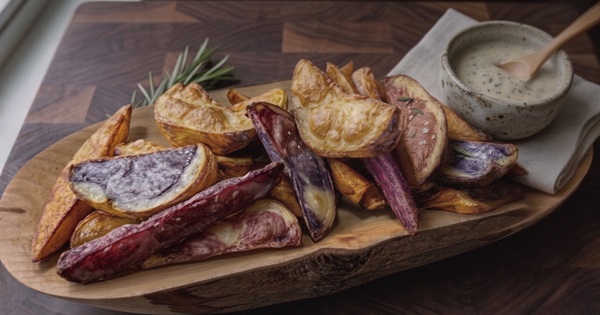
The Belgians point to fishermen from the Meuse River, who fried potato strips when the waters froze in the 17th century. The French point to street vendors at Paris’s Pont Neuf, who popularized them in the late 18th century.
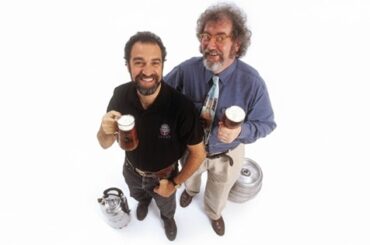
With issue No. 100 of All About Beer magazine, Daniel Bradford had the opportunity to explore the world of fine beers with two of the most influential individuals in the modern history of beer.
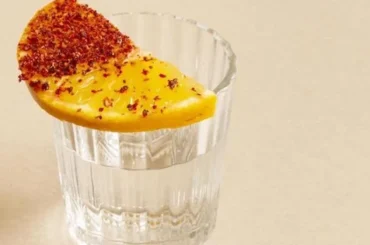
Jesús Sánchez from Conejo en la Luna restaurant in Teotihuacán shares four keys to dive into traditional mezcal without making beginner mistakes.
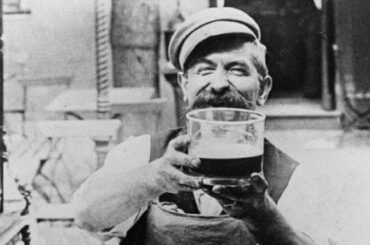
The Berliner Weisse style, also known as the “Champagne of the North,” is a beer with more than 500 years of history, originating in Germany, that today is experiencing a revival through diverse interpretations by brewers around the world.
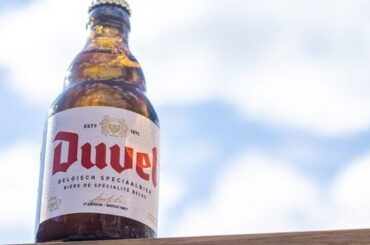
Duvel Moortgat is a family brewery founded in 1871 by Jan-Leonard Moortgat in the town of Breendonk, being one of the more than 3,000 breweries operating in Belgium at that time.
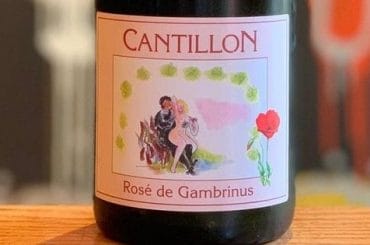
Cantillon Rosé de Gambrinus is a traditional raspberry lambic (framboise) brewed annually in Brussels since 1909, although the current name was only first used in 1986.

Chicha de jora (from the Quechua “Aqha” or “fermented liquid”) is a South American beverage created during the Inca Empire, widely consumed in Peru, Bolivia, and Ecuador.

A refractometer is an optical instrument that measures the sucrose concentration of a solution based on the refractive index produced by light in that solution.
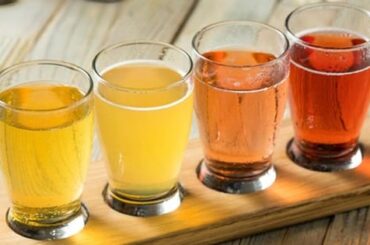
Mead — sometimes also called honey wine — is an ancient fermented beverage that combines water, honey, and yeast, with a versatility that makes it one of the most fascinating drinks in the world.

The distinctive character of Rauchbier dates back to a time when smoky flavor was not a stylistic choice, but an inevitable consequence of the production method in brewing beer.

Huxley, who wrote ‘Beer… Liquid Poetry. A Manual for Beer Lovers’ and contributed to the Oxford Companion to Beer, argues that good beer doesn’t cause hangovers and encourages people to brew at home to save money.

Hidden for centuries in the bark of lenga beeches, coigüe trees and araucarias of the Patagonian forest, the lost genetic link from which all the world’s lager beers are born.

Explore the physical and biochemical effects of sound frequencies on beer production, their impact on yeast activity, the formation of aromatic compounds, and the stability of the final product.
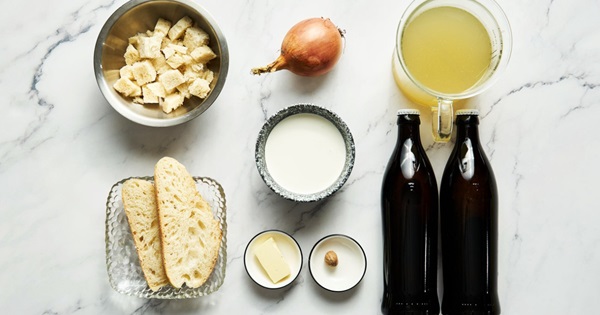
Whether the ingredients and preparation method varied from country to country, beer soup was always a humble dish made with ingredients within everyone’s reach: beer, butter, eggs, wheat grains, and rye bread.
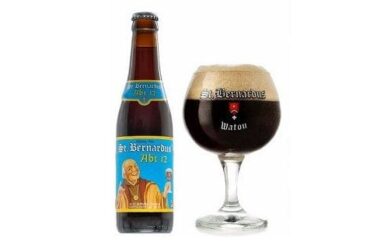
The pinnacle of the St. Bernardus portfolio is a dark-colored, ivory-foamed, top-fermented beer that is easy to drink due to its smooth flavor and fruity aroma.
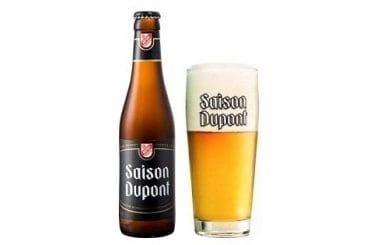
Saison Dupont is a Belgian top-fermented beer, bottle-conditioned, brewed since 1844 during the winter to quench the thirst of the “saisoniers” who would work in the fields during the summer.
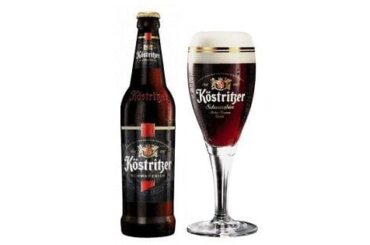
Köstritzer Schwarzbier is a bottom-fermented black lager. It has been produced since 1543 by the Köstritzer Schwarzbierbrauerei brewery, in the German state of Thuringia.
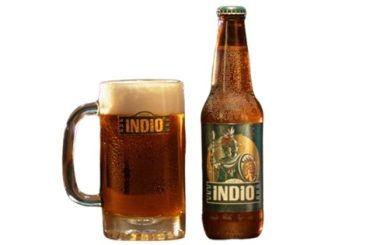
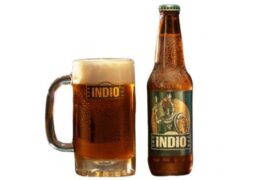
Indio is one of Mexico’s most iconic beers, with a rich history dating back to 1893. It emphasizes the use of local ingredients and traditional brewing techniques.
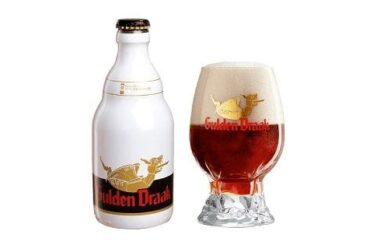
Gulden Draak is a Belgian strong ale-style beer originating from Ertvelde, Belgium, and brewed by Brouwerij Van Steenberge, with 10.5% ABV, 18 IBU, and 255 total calories.
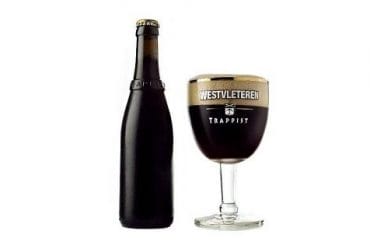
Westvleteren 12 (XII) Abt. is virtually a modern brewing legend, consistently ranked among the world’s best beers for years in publications and industry rankings.
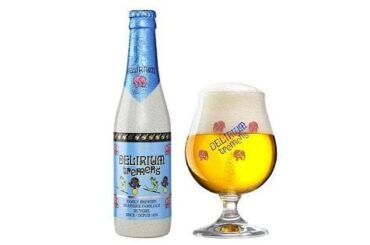
Delirium Tremens is a Golden Belgian Strong Ale style beer originating from Melle, Belgium, brewed by Brouwerij Huyghe, with 8.5% ABV, 200 calories, and 26 IBU.
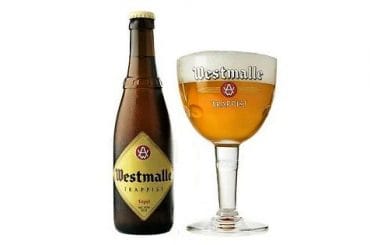
Westmalle Tripel is a Belgian Trappist beer brewed by Brouwerij der Trappisten van Westmalle and first introduced to the market in 1934, being a pioneer of its style and marking a milestone in the country’s brewing tradition.
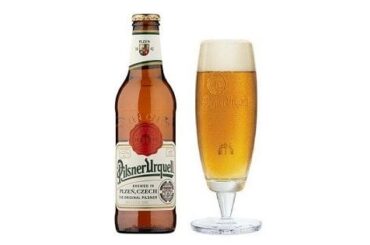
Pilsner Urquell is the first beer of its kind in history and the one from which, for better or worse, all others in its style were developed. Its quality is guaranteed by the use of the original recipe.

Drinking beer is a very common social activity, especially when enjoyed with friends. However, after having a couple of beers, it is common to notice that bathroom visits increase significantly.

Next Glass acquired BeerAdvocate in February 2020 in a deal that brought under one roof the oldest beer review community on the internet and the world’s most popular consumption tracking app.
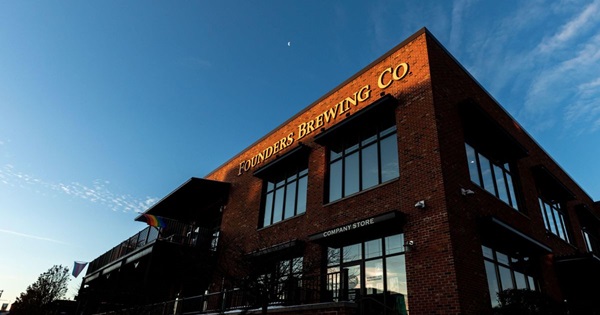
Mahou San Miguel has announced the acquisition of 100% of Founders Brewing, one of the most prestigious craft breweries in the United States, based in Grand Rapids, Michigan.
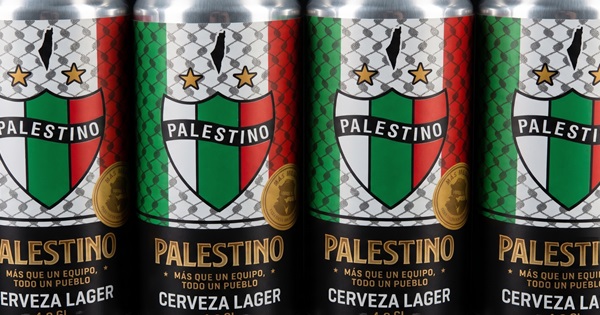
Over 500,000 people of Palestinian descent live in Chile today, where second, third, and fourth-generation families keep alive the language, traditions, and memory of a territory many have never been able to return to.

To start this top 10 of the best-selling beers in the world, we can comment that for 2020, most of them are on the way to generating an impressive sum of 688.4 billion dollars in sales.
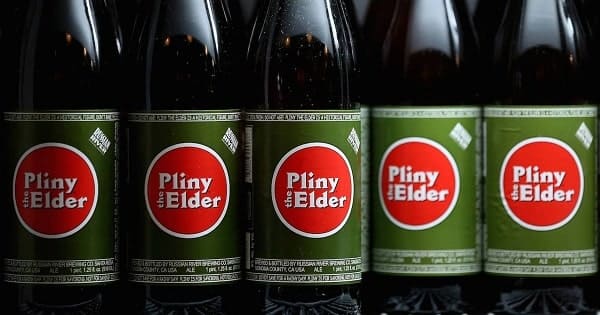
The beer Pliny the Elder takes its name in honor of the Roman traveler, naturalist, historian, and writer Gaius Minor Plinius Caecilius Secundus, who is credited with having given the first botanical name for hops.

We invited Rob Tod, founder of Allagash Brewing Co., to share 20 practical lessons for brewery success learned over 25 years of activity. This was his response.

A Kantar Millward Brown annual study reveals that 5 of the 6 most valuable brands in Latin America are beer brands. Discover which beer leads sales in each country of the region.
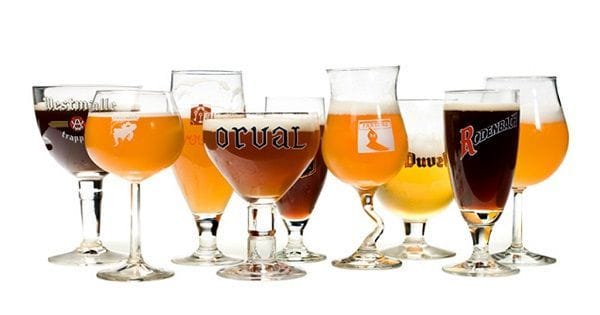
Brussels celebrates that recognition with a richer and more diverse beer scene than ever, with over 1,500 varieties, new experience spaces, and entire neighborhoods that have made beer part of their urban identity.

Historically, brewers around the world have used locally available water to brew their beer, leading to the development of beer styles associated with specific mineral water profiles found in those places.
A refractometer is an optical instrument that measures the sucrose concentration of a solution based on the refractive index produced by light in that solution.

When beer is introduced into a rotor spinning at high revolutions, a centrifugal force is generated that can reach between 5,000 and 10,000 times the Earth’s gravity. This acceleration reduces sedimentation time to fractions of a second.
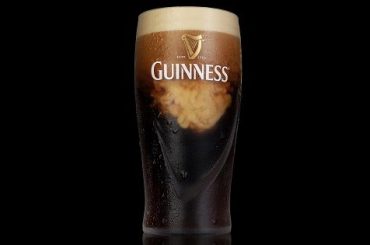
If you have ever visited Ireland, you have surely tasted a Kilkenny, Murphy’s or Guinness beer in one of its many pubs with a spirit that exudes authenticity from every corner.

This study, published in Foods, represents the first systematic analysis of umami peptides present in lager beer and their multidimensional effects on the sensory properties of the beer body.

To identify S. chiloensis as a new species, scientists used an integrative taxonomy approach, combining analysis of genomic sequences, reproductive isolation studies, and phenotypic analyses.

The STC-1000 temperature controller lets you manually program a precise temperature range for your fermenter inside a refrigerator, freezer, or appropriately sized cooler.

Traditional SEO is shifting ground. It’s no longer enough to optimize to appear on Google’s first page; the battle is now fought in the responses of large language models (LLMs).

Bottle openers have become part of our personal toolkit, whether attached to our key ring, in our backpack, or as a basic kitchen utensil when going camping.

The discovery of a 220-year-old beer bottle recovered from the Sydney Cove, sunk in Australian waters near Tasmania, has inspired the creativity of a team of researchers.

The rise of non-alcoholic or low-alcohol beers has led the brewing industry to explore new yeast strains and fermentation techniques.
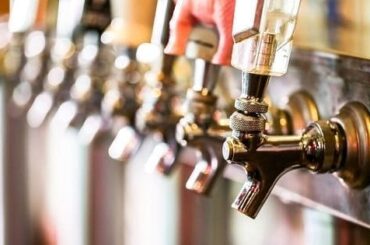
Craft and independent brewers dedicate a great deal of time, effort, and resources to making the best beer possible, but all of this hard work can be ruined in the time it takes the beer to travel from the keg to the pint.

The PERP framework offers a structural model for understanding how global warming alters the biological cycles of barley and hops, with concrete responses to maintain quality and economic viability.

Google’s algorithm doesn’t always prioritize specialized beer media, but now it allows you to add The Beer Times as a preferred content source in Google Discover in less than a minute.

Tradition holds that Pythagoras, the celebrated mathematician and philosopher who founded his school in Croton, in southern Italy, grew tired of watching some of his disciples abuse wine during symposia.
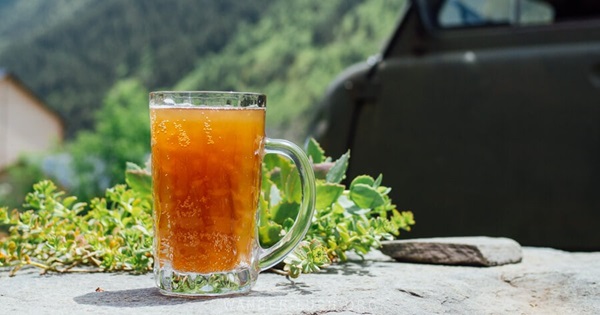
In Tusheti, a remote region of the Georgian Caucasus, the sacred drink is not wine but aludi: a beer brewed with sun-malted barley and wild hops whose recipe has been passed down from grandmother to granddaughter for centuries.

A clay tablet from the Ur III period decoded in Copenhagen records more than 120 liters of beer distributed over two consecutive days in ancient Mesopotamia, distinguishing between good beer and ordinary beer. The oldest administrative document known to formally classify beer quality.