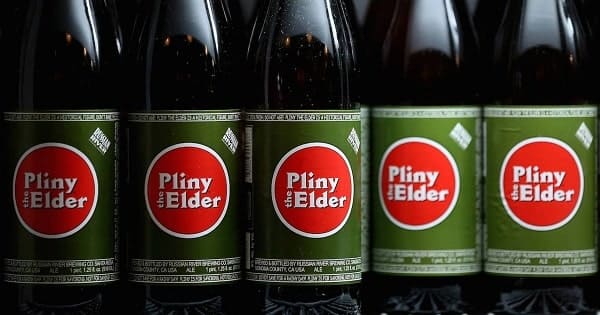
Pliny the Elder was created in 2000 as a special brew for the beer festival organized by Vic Kralj, owner of the Bistro in Hayward, California, in which only 10 breweries took part.
In the late 19th century, Anchor Brewing Company began brewing its famous Steam Beer, using local ingredients and giving up the lager brewing techniques popular at the time.
This version, especially the one produced in the 1970s–1990s, became the last direct commercial survivor of the original lineage of 18th-century London Imperial Stouts.
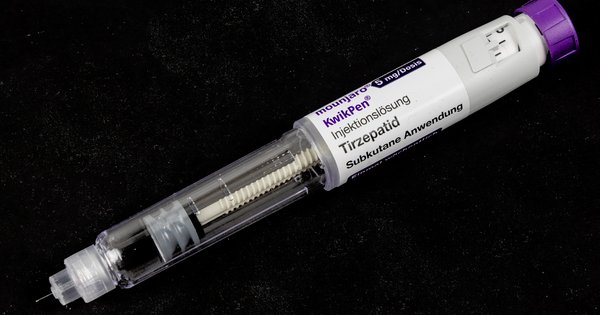
Neither Ozempic nor Mounjaro mentions alcohol in its product information, but Heineken has just warned British pubs and bars that these drugs reduce the desire to drink and that users spend 14% less on beer.
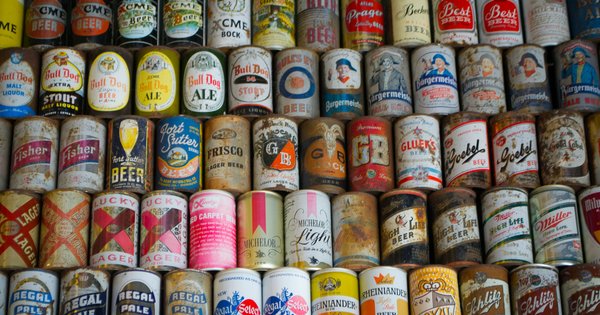
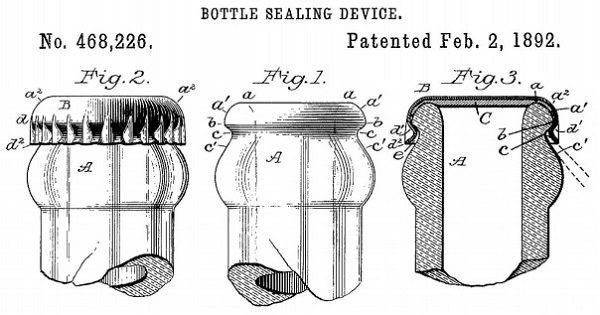
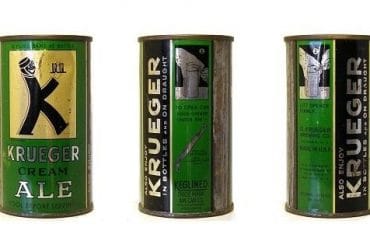
The history of the beer can, from the 1935 steel can to the cone top, aluminum, the pull tab, the Guinness widget and craft beer.
Bottle openers are part of our personal toolkit, on the key chain, in the backpack or packed as a basic utensil when we go camping.
Featured Articles
A clay tablet from the Ur III period decoded in Copenhagen records more than 120 liters of beer distributed over two consecutive days in ancient Mesopotamia, distinguishing between good beer and ordinary beer. The oldest administrative document known to formally classify beer quality.
Making an electrolyte hydration boost at home is relatively simple, and it is a better alternative to commercial options loaded with flavorings, artificial colors and preservatives. Here is the recipe.
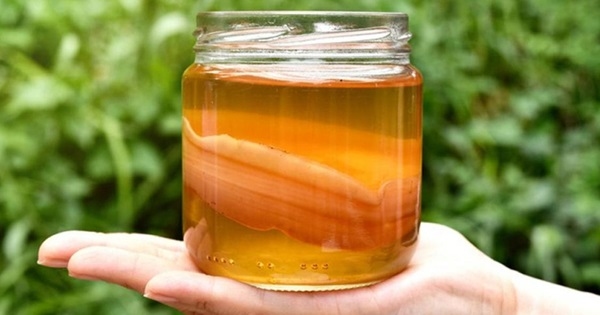
Historical records place the origin of kombucha in northeastern China, around 220 BC, where it was prepared as a medicinal drink known as hóngchájūn (red tea fungus, equivalent to black tea in the West).
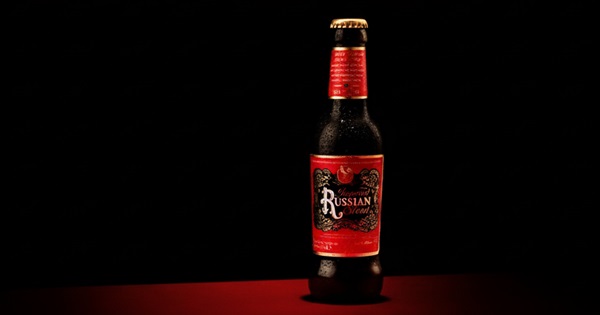
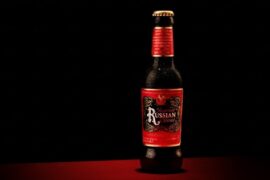
The legend of the Russian Imperial Stout style tells that the future Tsar of Russia, Peter the Great, was captivated by Porter-style beers during a visit to England in the late 17th century.
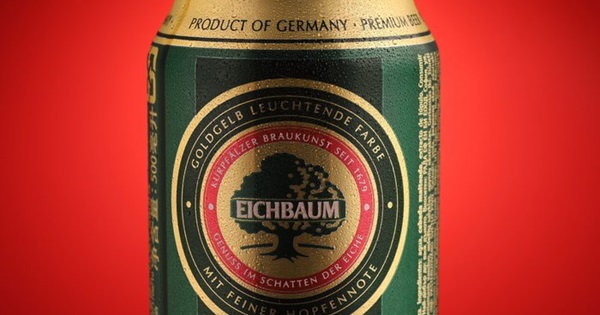
Eichbaum, founded in 1679 in Mannheim, closes in 2026 after failing to find an investor. The rescue failed and around 270 employees lose their jobs at the city’s oldest brewery.
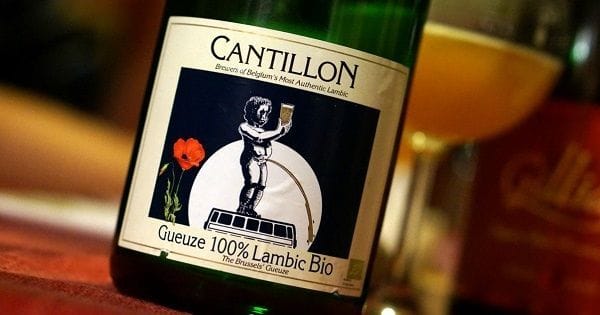
Lambic, Gueuze, and their various variants are a living relic of a time when all beer was fermented at the mercy of nature.
Sahti is an ancient beer originating from Finland, recognized for its unique flavor, traditional brewing process, and rustic character, with juniper playing a prominent role.
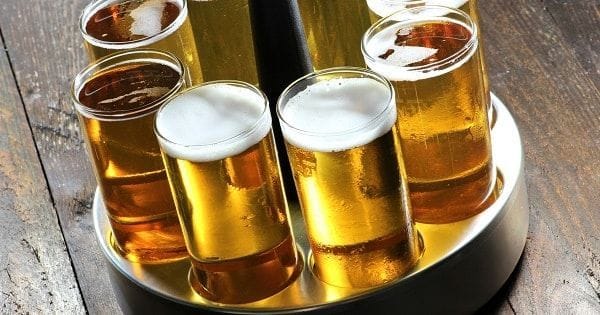
Stange (German for “rod” or “stick”) is a tall, narrow, cylindrical glass traditionally used to serve Kölsch-style beers from Cologne, Germany — full of history and tradition.
MiniBrew is a device that promises to make brewing beer as simple as making a cup of instant coffee in the morning.
The history of the Munich Oktoberfest dates back to October 12, 1810, when Prince Ludwig of Bavaria, son of King Maximilian I, married Princess Therese of Saxe-Hildburghausen.
On April 23, 1516, Duke Wilhelm IV of Bavaria issued a decree regulating the price of beer, the times of production, and the ingredients permitted in its manufacture.
Cerveza Fauna is a Mexican brewery founded in 2012 by brothers Luis and Alejandro Larios Rizo to brew for adventurous and curious beer drinkers.
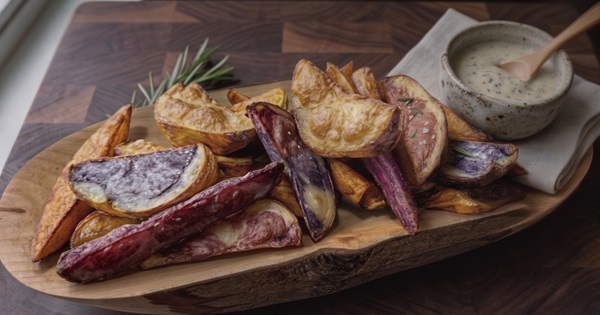
The Belgians point to fishermen from the Meuse River, who fried potato strips when the waters froze in the 17th century. The French point to street vendors at Paris’s Pont Neuf, who popularized them in the late 18th century.
A characteristic feature of beer history is that for almost its entire existence, it was produced with Ale yeast, until the early 20th century when brewing with Lager yeast was massively introduced.
Cenosillicaphobia is the term for a peculiar and highly specific fear. It may sound unusual, and it could hold a fascinating set of emotions that reveal intriguing aspects of human psychology.
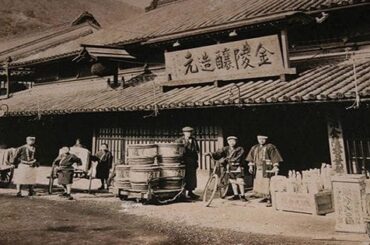
When one thinks of Japanese alcoholic beverages, sake is undoubtedly the first that comes to mind, but despite its foreign origins, beer is today without a doubt the most popular drink in Japan.
Two chemical reactions behind the browning of bread, grilled meat, the look of a beer, roasted coffee aroma and the deep flavor of caramelized onion.
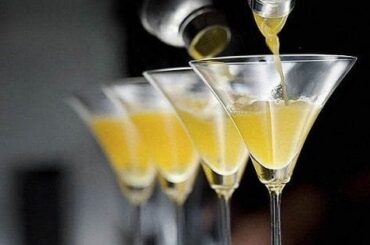
The basic definition establishes that a cocktail is a combination of different beverages—alcoholic or not—such as fruit juices, sodas (carbonated drinks), fermented drinks (beer, cider), and/or spirits (whiskey, rum, vodka, etc.).
The richness of Mexican gastronomy lies not only in the diversity of its ingredients but also in the cultural depth…
On February 22, 2017, NASA announced one of the most exciting discoveries in the search for extraterrestrial life, confirming the existence of 7 exoplanets orbiting a star 39 light-years away.
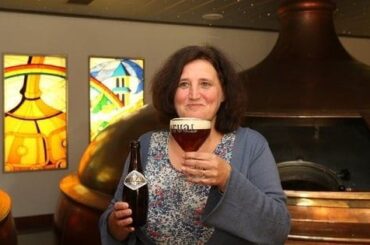
Things have changed a great deal in a world dominated mostly by men, as Trappist abbey breweries have been over the past few decades.
For the average beer consumer, the difference between Ale and Lager usually comes down to appearance, aromas and flavors, where the former tend to be darker and fruitier, while the latter are usually clearer and have cleaner flavors.
Identifying the various aromas and flavors present in beer not only enhances the drinking experience but also provides a deeper understanding of the brewing processes and the unique characteristics of each beer style.
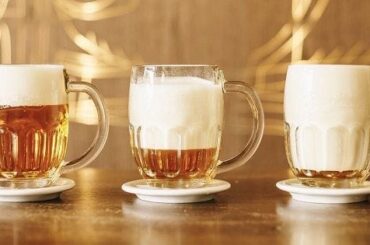
Pilsner Urquell ensures that wherever their beer is available on draft, a certified tapster is trained to serve it correctly. Discover the three traditional Czech service styles: Hladinka, Šnyt, and Mlíko.
Huxley, who wrote ‘Beer… Liquid Poetry. A Manual for Beer Lovers’ and contributed to the Oxford Companion to Beer, argues that good beer doesn’t cause hangovers and encourages people to brew at home to save money.
Chimay Bleue is an iconic beer from the Belgian abbey of the same name that, with its wealth of flavors and complexity, has earned a special place in the hearts of beer lovers around the world.
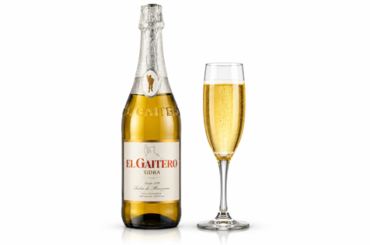
El Gaitero Clásica is the sparkling cider of the Asturian house founded in 1890 in Villaviciosa, extra semi-dry, 4.1%, with ample bubbles and firm acidity.
Sierra Nevada launched this Pale Ale in 1980 and brought Cascade hops to the center of the recipe, marking the starting point of the citrus profile that would later define hundreds of American IPAs.
Petrus Aged Red is brewed from a Double Brown Ale base blended with 15% Petrus Aged Pale, which gives the beer a dry character and a light bitter edge.
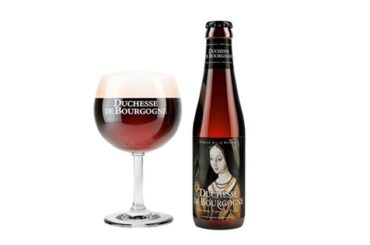
Duchesse de Bourgogne spends years maturing in oak barrels before reaching the glass—a process that has made it one of the most recognized Flanders Red Ales in Belgium.
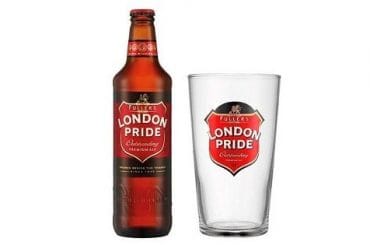
Fuller’s London Pride is one of England’s most iconic beers and a true emblem of the Best Bitter style, appreciated by generations of beer lovers around the world.
The Original Dry is the 5.3% version the brand bills as export strength for the US and Canada, and it is also sold in the UK in cans and bottles.
Hoegaarden Wit is one of the world’s most iconic beers, a Belgian wheat beer whose pale yellow color and natural haze win you over at first sight.
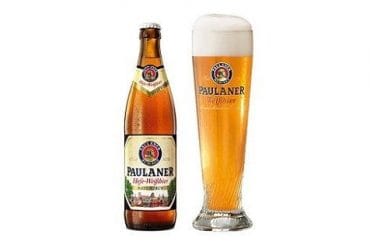
Paulaner Hefe-Weissbier, a German wheat beer with notes of banana, clove, and citrus, is perfect for pairing with Bavarian dishes, fresh cheeses, roasted vegetables, and citrus desserts. Its unique flavor and versatility make it ideal for any occasion.
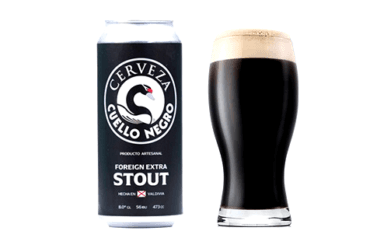
Cuello Negro Stout is a craft beer made with pure water from the Valdivian rainforest in southern Chile, whose flavor comes from a careful brewing process that gives it an unmistakable distinctive character.
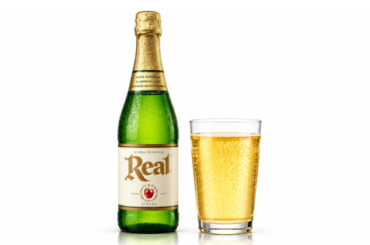
Sidra Real Etiqueta Blanca is the everyday cider of CCU Argentina’s longest-running brand, made in the Alto Valle de Río Negro from red and green apples.
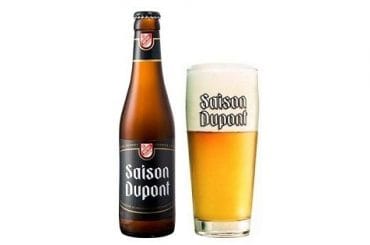
Saison Dupont is a Belgian top-fermented beer, bottle-conditioned, brewed since 1844 during the winter to quench the thirst of the “saisoniers” who would work in the fields during the summer.
PFAS, per- and polyfluoroalkyl substances, are a large family of synthetic compounds built on carbon-fluorine bonds, among the most stable in chemistry.
Climate change is not only transforming ecosystems and altering weather patterns but is also putting at risk one of humanity’s most iconic cultural products: beer.
The decline is especially marked among young people aged 15 to 24, who have reduced their usual consumption by around 60% over the last two decades. Spain is the fifth country in the European Union with the most abstainers.
Corona Extra is the world’s most valuable beer brand in 2026, worth $13.9 billion. Brand Finance ranking plus the historic 2018 list.
Of the 10 most expensive beers in the world, some hit astronomical prices on release, while others are still brewed in exclusive batches.
To start this top 10 of the best-selling beers in the world, we can comment that for 2020, most of them are on the way to generating an impressive sum of 688.4 billion dollars in sales.
Next Glass acquired BeerAdvocate in February 2020 in a deal that brought under one roof the oldest beer review community on the internet and the world’s most popular consumption tracking app.
Grupo Modelo hands over the store ready to operate and pays the rent, and the operator puts up an initial investment that starts at 60,000 pesos, according to the company itself, and that goes entirely toward inventory.
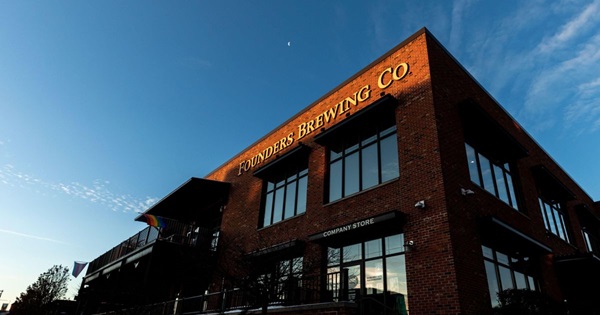
Mahou San Miguel has announced the acquisition of 100% of Founders Brewing, one of the most prestigious craft breweries in the United States, based in Grand Rapids, Michigan.
The craft beer boom has revived Guadalajara’s love for malt and hops, and the city has no shortage of places to sit down and enjoy a good beer.
You do not simply request an “IPA recipe”; instead, you instruct Claude Code to first analyze the ingredient inventory, evaluate the cooling capacity of the equipment, and propose a mashing process that favors the desired final body.
Traditional SEO is shifting ground. It’s no longer enough to optimize to appear on Google’s first page; the battle is now fought in the responses of large language models (LLMs).
Historically, brewers around the world have used locally available water to brew their beer, leading to the development of beer styles associated with specific mineral water profiles found in those places.
This study, published in Foods, represents the first systematic analysis of umami peptides present in lager beer and their multidimensional effects on the sensory properties of the beer body.
A team at Chalmers University of Technology has developed a biodegradable construction material made from baker’s yeast, algae alginate, wood cellulose, and vegetable glycerol—3D printable at room temperature with no heating, no support structures, and no waste.
The discovery of a 220-year-old beer bottle recovered from the Sydney Cove, sunk in Australian waters near Tasmania, has inspired the creativity of a team of researchers.
Our phone is the first thing we check in the morning and the last thing we see before going to sleep. It’s your biggest opportunity to communicate with your customers and make an impression.
A refractometer is an optical instrument that measures the sucrose concentration of a solution based on the refractive index produced by light in that solution.
Pressurization with liquid nitrogen enables lighter, thinner PET bottles without compromising structural integrity — reducing plastic use and distribution costs.
On January 24, 1935, the first canned beer went on sale after decades of experiments and more than ten years of Prohibition, thanks to the Gottfried Krueger Brewing Company in Richmond, Virginia.
In answers from AI search assistants (LLMs), the algorithm does more than rank pages. It can break content into fragments, pull relevant ideas from different sites and combine them into a single unified answer for the user.
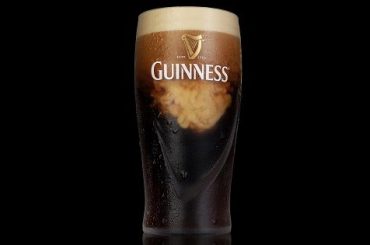
If you have ever visited Ireland, you have surely tasted a Kilkenny, Murphy’s or Guinness beer in one of its many pubs with a spirit that exudes authenticity from every corner.
An uncomfortable reality in the mass certification circuit is that many judges have never brewed professionally, leaving them without the tools to diagnose processes they claim to correct from score sheets.
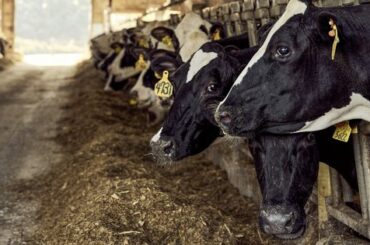
The Brews to Barns Act would give small US breweries 8 cents per pound of spent grain donated to farms, capped at $35,000 a year.
Grupo Modelo hands over the store ready to operate and pays the rent, and the operator puts up an initial investment that starts at 60,000 pesos, according to the company itself, and that goes entirely toward inventory.
The decline is especially marked among young people aged 15 to 24, who have reduced their usual consumption by around 60% over the last two decades. Spain is the fifth country in the European Union with the most abstainers.
Next Glass acquired BeerAdvocate in February 2020 in a deal that brought under one roof the oldest beer review community on the internet and the world’s most popular consumption tracking app.
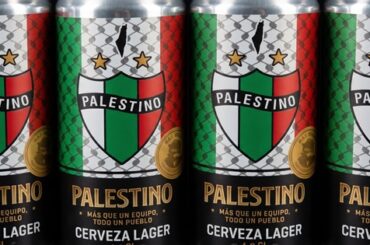
Over 500,000 people of Palestinian descent live in Chile today, where second, third, and fourth-generation families keep alive the language, traditions, and memory of a territory many have never been able to return to.
The big brewers trade on the NYSE, Euronext and the Tokyo Stock Exchange. A guide to investing in AB InBev, Heineken, Carlsberg, Constellation Brands and Molson Coors from Latin America and Spain.
That relationship was described by the English chemist William Henry, and today it rules everything from the bottle cap to the regulator on a keg. That is why a British ale, a weissbier and a Czech pilsner can feel so different in the glass.
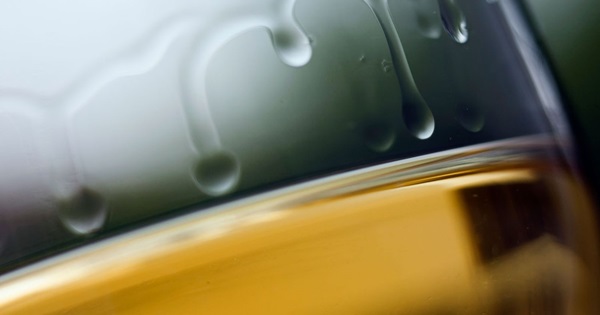
Several mistaken ideas about beer tears are going around, and they come from the world of wine and whisky. That they reveal quality, that glycerol produces them or that they form because alcohol concentrates at the top of the glass.
PFAS, per- and polyfluoroalkyl substances, are a large family of synthetic compounds built on carbon-fluorine bonds, among the most stable in chemistry.
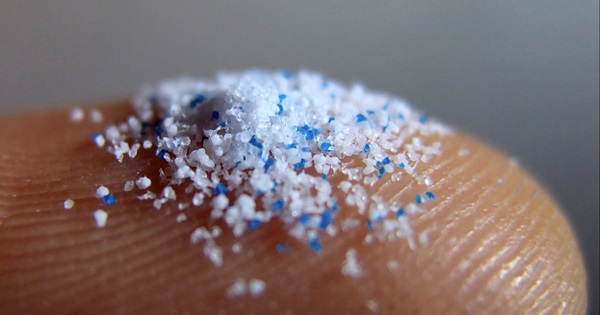
The figures vary widely between countries, from 4 particles per liter in the United States to more than 90 in Spain. Much of that difference lies in how they are measured and understanding that matters as much as the number.
Hops bring their own enzymes that break down dextrins and reactivate the yeast after dry hopping. What hop creep is, how much alcohol and CO₂ it adds and how to stop it.