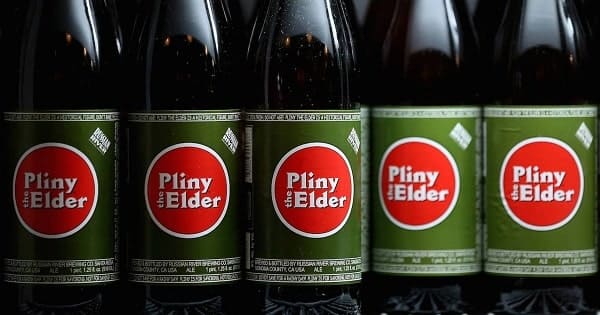
Pliny the Elder was created in 2000 as a special brew for the beer festival organized by Vic Kralj, owner of the Bistro in Hayward, California, in which only 10 breweries took part.
In the late 19th century, Anchor Brewing Company began brewing its famous Steam Beer, using local ingredients and giving up the lager brewing techniques popular at the time.
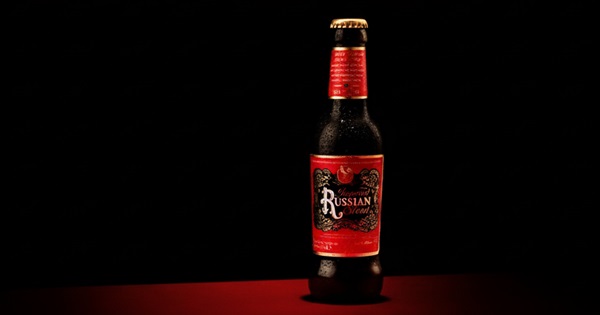
This version, especially the one produced in the 1970s–1990s, became the last direct commercial survivor of the original lineage of 18th-century London Imperial Stouts.
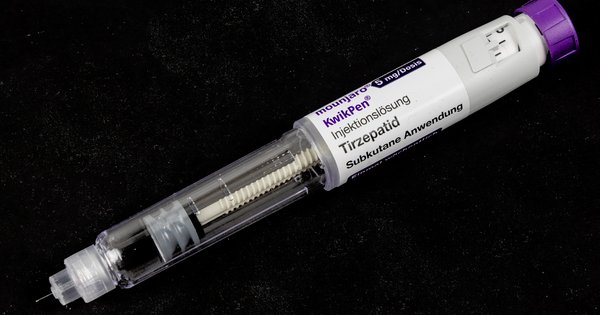
Neither Ozempic nor Mounjaro mentions alcohol in its product information, but Heineken has just warned British pubs and bars that these drugs reduce the desire to drink and that users spend 14% less on beer.
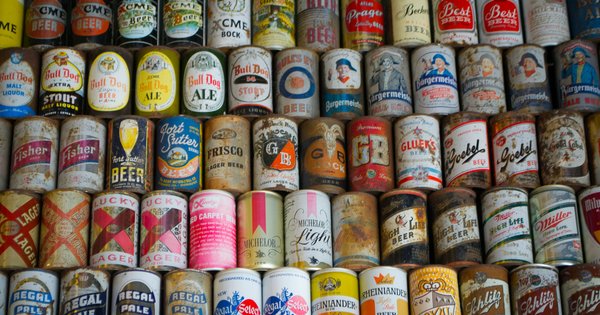
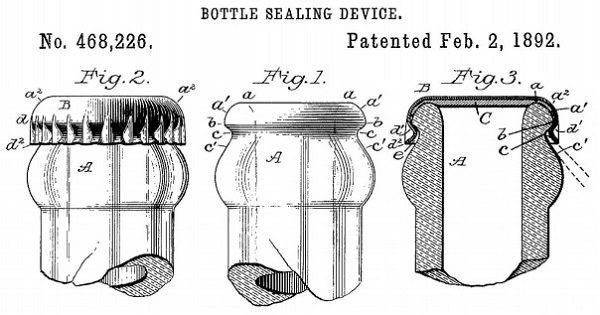
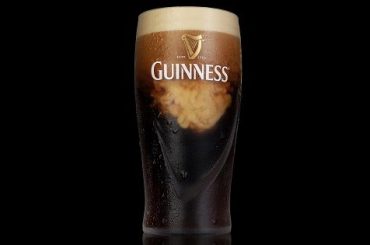
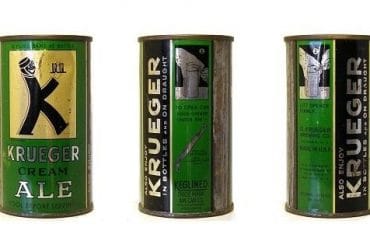
The history of the beer can, from the 1935 steel can to the cone top, aluminum, the pull tab, the Guinness widget and craft beer.
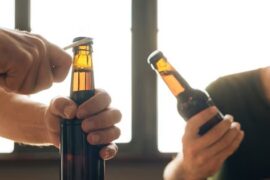
Bottle openers are part of our personal toolkit, on the key chain, in the backpack or packed as a basic utensil when we go camping.
Featured Articles
SABECO has over 150 years of history in Vietnam’s brewing industry. It is one of the sector’s leading companies in the country and the parent company of brands such as Saigon Beer and Saigon Special.
Mead — sometimes also called honey wine — is an ancient fermented beverage that combines water, honey, and yeast, with a versatility that makes it one of the most fascinating drinks in the world.
The acronym was popularized in 2004 by Patrick J. McGinnis in an article for the Harvard Business School magazine, where he described the profound anxiety derived from exclusion from influence networks and social events.
E-E-A-T — Experience, Expertise, Authoritativeness, and Trustworthiness — is one of the core frameworks Google uses to assess content quality. Learn what it means for SEO and how craft beer sites can build it.
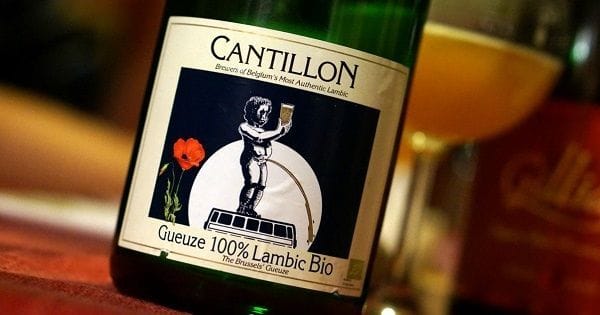
Lambic, Gueuze, and their various variants are a living relic of a time when all beer was fermented at the mercy of nature.
Vienna Lager was born combining British malting techniques with Bavarian cold fermentation; it was displaced by Czech Pilsner, but survived thanks to Austrian immigrants who arrived in Mexico in the 19th century.
For millennia, human saliva was the most effective enzyme for creating fermentable sugars as an intimate biochemical reaction that defined the history of fermentation long before agriculture.
Hoegaarden Wit is one of the world’s most iconic beers, a Belgian wheat beer whose pale yellow color and natural haze win you over at first sight.
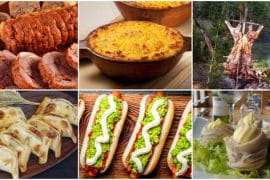
Whether you are a beer lover or a fan of Peruvian food, the following 10 pairing proposals will help you create a journey of flavors, ranging from ceviche to lomo saltado, that you will never forget.
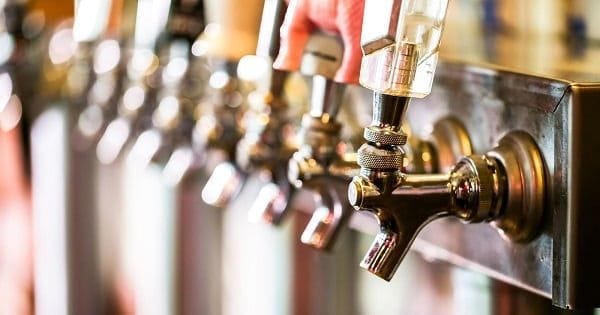
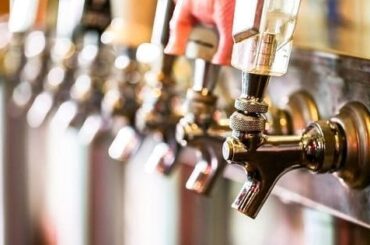
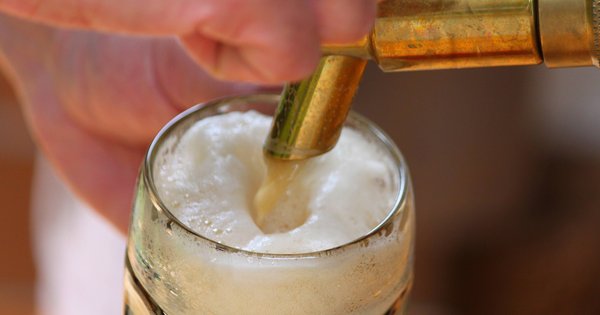
Craft and independent brewers dedicate a great deal of time, effort, and resources to making the best beer possible, but all of this hard work can be ruined in the time it takes the beer to travel from the keg to the pint.
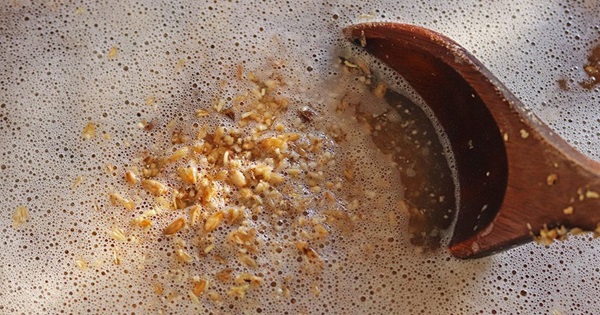
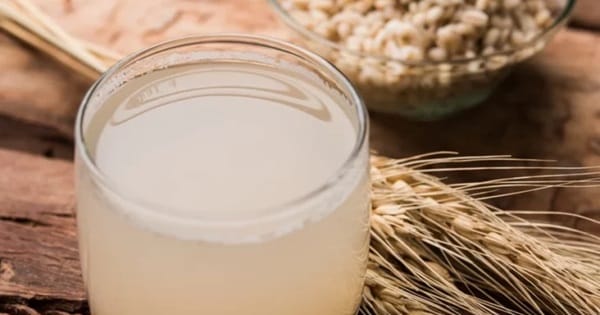
Each stage of the beer brewing process is very relevant, but mashing is the phase where fermentable sugars are extracted, defining not only the alcoholic potential of the beer but also its body, aroma, and flavor.
The history of the St. Bernardus Brewery is strongly linked to two Trappist abbeys since the monks of Catsberg Abbey (Mont des Cats) decided to move to Belgium and settle in the small town of Watou.
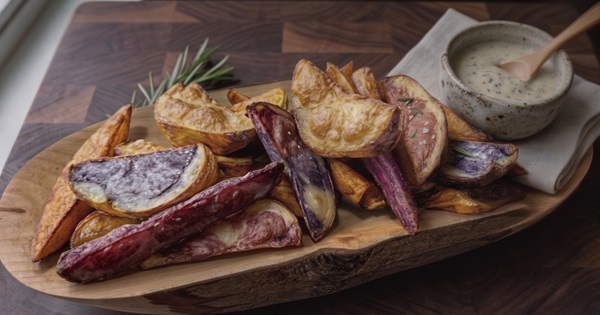
The Belgians point to fishermen from the Meuse River, who fried potato strips when the waters froze in the 17th century. The French point to street vendors at Paris’s Pont Neuf, who popularized them in the late 18th century.
The British tradition of Cask Ale predates even the appearance of beer as we know it today on the islands. Surely when Shakespeare went to his favorite pub, they served his favorite ale this way.
Valdivia’s brewing tradition began at the Anwandter Brewery, founded in 1851 by Karl August Wilhelm Paschen Anwandter Fick, a German settler who came in 1850.
Pierre Celis was the man who put the small Belgian village of Hoegaarden on the world beer map when in the 1960s he revived a beer style made with wheat, spices, and fruit known as Witbier (white beer).
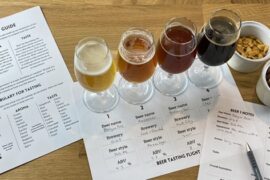
Identifying the various aromas and flavors present in beer not only enhances the drinking experience but also provides a deeper understanding of the brewing processes and the unique characteristics of each beer style.
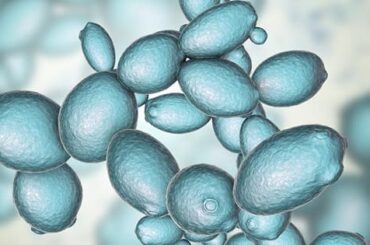
If you love beer, you have probably heard some of the long, complicated names of the yeasts and bacteria used specifically to brew sour beers.
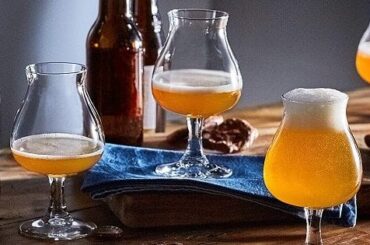
Royal Leerdam’s AnDer glass was launched in 2015 for beer tasting. Who designed it, what its capacity is and how much is poured at a tasting.
Beer is a beverage that is ‘alive’, that changes over time, because from the very moment it leaves the brewery, its characteristics evolve, sometimes positively and often undesirably.
If you have ever visited Ireland, you have surely tasted a Kilkenny, Murphy’s or Guinness beer in one of its many pubs with a spirit that exudes authenticity from every corner.
Munich’s Hofbräuhaus was founded in 1589 as the Bavarian ducal court brewery. Its history, its halls and what happened there in 1920.
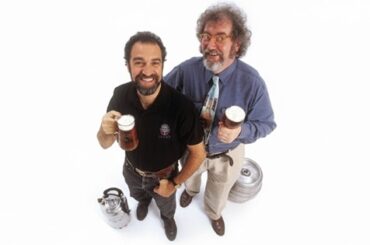
With issue No. 100 of All About Beer magazine, Daniel Bradford had the opportunity to explore the world of fine beers with two of the most influential individuals in the modern history of beer.
Lambic, Gueuze, and their various variants are a living relic of a time when all beer was fermented at the mercy of nature.
In German, the word for boot is Stiefel, hence Bierstiefel. The word Boot means boat, so the popular “Das Boot” is actually an American invention that, in Germany, sounds like the 1981 submarine film.
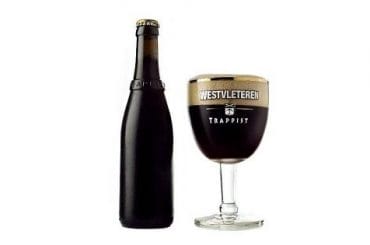
Westvleteren 12 (XII) Abt. is virtually a modern brewing legend, consistently ranked among the world’s best beers for years in publications and industry rankings.
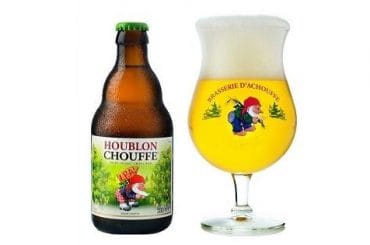
Houblon Chouffe Bière Tripel IPA represents a unique fusion of the English IPA tradition, the American Double IPA revolution, and the Belgian Tripel heritage.
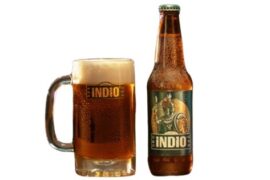
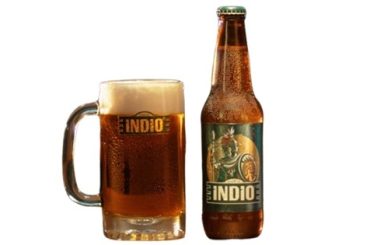
Indio is one of Mexico’s most iconic beers, with a rich history dating back to 1893. It emphasizes the use of local ingredients and traditional brewing techniques.
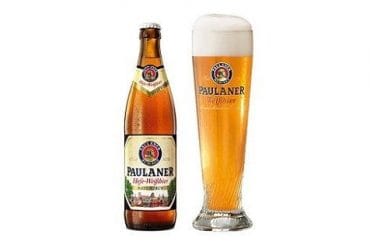
Paulaner Hefe-Weissbier, a German wheat beer with notes of banana, clove, and citrus, is perfect for pairing with Bavarian dishes, fresh cheeses, roasted vegetables, and citrus desserts. Its unique flavor and versatility make it ideal for any occasion.
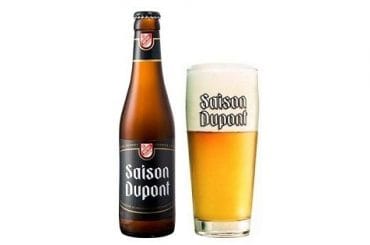
Saison Dupont is a Belgian top-fermented beer, bottle-conditioned, brewed since 1844 during the winter to quench the thirst of the “saisoniers” who would work in the fields during the summer.
Chimay Bleue is an iconic beer from the Belgian abbey of the same name that, with its wealth of flavors and complexity, has earned a special place in the hearts of beer lovers around the world.
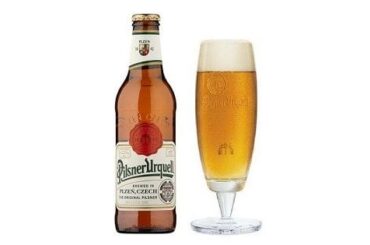
Pilsner Urquell is the first beer of its kind in history and the one from which, for better or worse, all others in its style were developed. Its quality is guaranteed by the use of the original recipe.
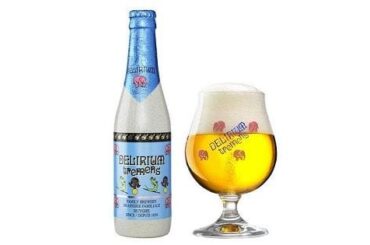
Delirium Tremens is a Golden Belgian Strong Ale style beer originating from Melle, Belgium, brewed by Brouwerij Huyghe, with 8.5% ABV, 200 calories, and 26 IBU.
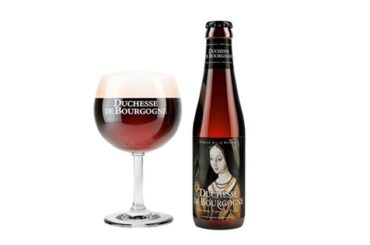
Duchesse de Bourgogne spends years maturing in oak barrels before reaching the glass—a process that has made it one of the most recognized Flanders Red Ales in Belgium.
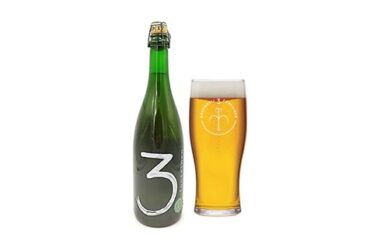
3 Fonteinen Oude Geuze is a blend of one, two and three year old spontaneously fermented lambics, barrel-aged and bottle-refermented, with lively acidity and an earthy profile typical of the style.
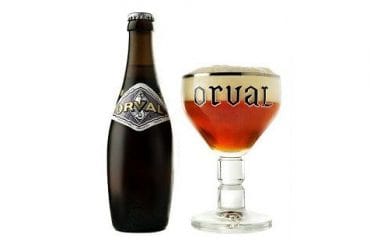
Unlike all other Trappist breweries, Orval produces only one variety of beer for the general public, with just 15% of its total production available for export.
Sierra Nevada launched this Pale Ale in 1980 and brought Cascade hops to the center of the recipe, marking the starting point of the citrus profile that would later define hundreds of American IPAs.
A recent study by researchers at Trinity College Dublin describes with millisecond precision how that selection occurs, a mechanism anyone recognizes the next time they try to follow a conversation at the bar of a packed pub.
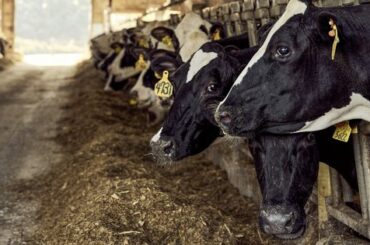
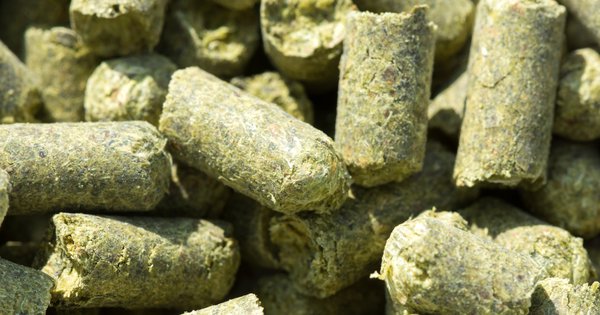
The Brews to Barns Act would give small US breweries 8 cents per pound of spent grain donated to farms, capped at $35,000 a year.
The big brewers trade on the NYSE, Euronext and the Tokyo Stock Exchange. A guide to investing in AB InBev, Heineken, Carlsberg, Constellation Brands and Molson Coors from Latin America and Spain.
The beer Pliny the Elder takes its name in honor of the Roman traveler, naturalist, historian, and writer Gaius Minor Plinius Caecilius Secundus, who is credited with having given the first botanical name for hops.
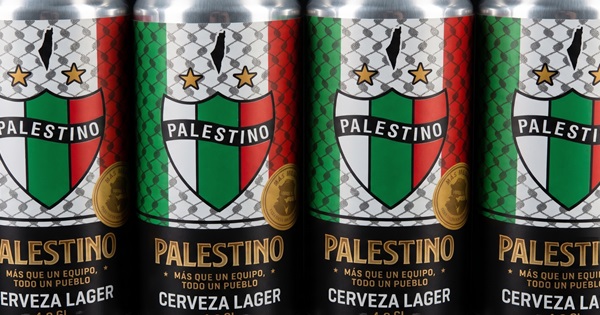
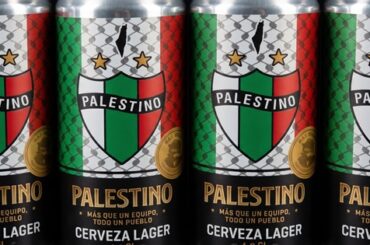
Over 500,000 people of Palestinian descent live in Chile today, where second, third, and fourth-generation families keep alive the language, traditions, and memory of a territory many have never been able to return to.
Corona Extra is the world’s most valuable beer brand in 2026, worth $13.9 billion. Brand Finance ranking plus the historic 2018 list.
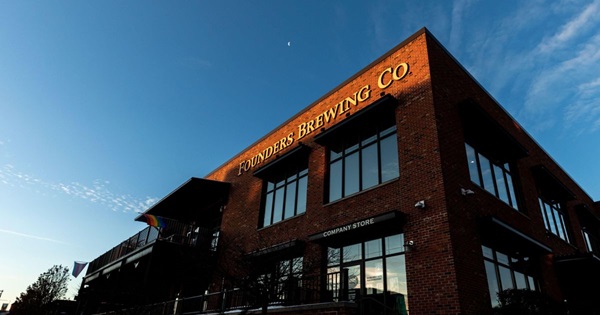
Mahou San Miguel has announced the acquisition of 100% of Founders Brewing, one of the most prestigious craft breweries in the United States, based in Grand Rapids, Michigan.
Cristal and Pilsen Callao, from Backus, are Peru’s best-selling beers. Learn their history and other brands such as Cusqueña, San Juan, Tres Cruces and Barbarian.
To start this top 10 of the best-selling beers in the world, we can comment that for 2020, most of them are on the way to generating an impressive sum of 688.4 billion dollars in sales.
Beer is one of the most popular alcoholic beverages among Peruvians, always present at social activities. Discover the most common slang expressions Peruvians use when heading out for beers with friends.
Craft and independent brewers dedicate a great deal of time, effort, and resources to making the best beer possible, but all of this hard work can be ruined in the time it takes the beer to travel from the keg to the pint.
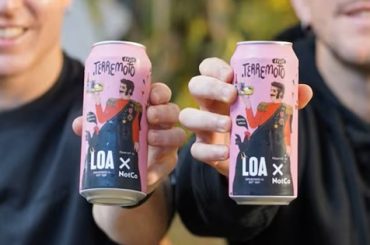
The beverage, named “Ocho punto ocho” (8.8), combines the characteristic flavor of the terremoto with a different nutritional profile, standing out for its lower sugar content and half the calories compared to the homemade version.
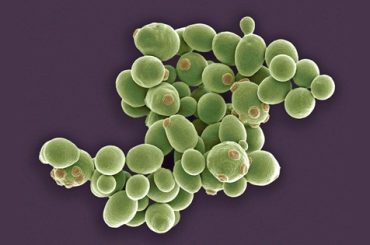
To identify S. chiloensis as a new species, scientists used an integrative taxonomy approach, combining analysis of genomic sequences, reproductive isolation studies, and phenotypic analyses.
Historically, brewers around the world have used locally available water to brew their beer, leading to the development of beer styles associated with specific mineral water profiles found in those places.
You do not simply request an “IPA recipe”; instead, you instruct Claude Code to first analyze the ingredient inventory, evaluate the cooling capacity of the equipment, and propose a mashing process that favors the desired final body.
The rise of non-alcoholic or low-alcohol beers has led the brewing industry to explore new yeast strains and fermentation techniques.
The first thing to understand is that IBU, from a chemical perspective, does not refer to the perceived flavor in beer, but rather to the levels of certain bitter compounds dissolved in the liquid.
On January 24, 1935, the first canned beer went on sale after decades of experiments and more than ten years of Prohibition, thanks to the Gottfried Krueger Brewing Company in Richmond, Virginia.
It’s undeniable that TikTok is one of the social networks of the moment, developing exponential growth since 2020 until reaching…
MiniBrew is a device that promises to make brewing beer as simple as making a cup of instant coffee in the morning.
E-E-A-T — Experience, Expertise, Authoritativeness, and Trustworthiness — is one of the core frameworks Google uses to assess content quality. Learn what it means for SEO and how craft beer sites can build it.
This study, published in Foods, represents the first systematic analysis of umami peptides present in lager beer and their multidimensional effects on the sensory properties of the beer body.
Despite their popularity among brewers, these events are not always perceived by the market as a showcase of innovation and quality, but rather as a mirror that mainly reflects the industry’s limitations.
The Brews to Barns Act would give small US breweries 8 cents per pound of spent grain donated to farms, capped at $35,000 a year.
Grupo Modelo hands over the store ready to operate and pays the rent, and the operator puts up an initial investment that starts at 60,000 pesos, according to the company itself, and that goes entirely toward inventory.
The decline is especially marked among young people aged 15 to 24, who have reduced their usual consumption by around 60% over the last two decades. Spain is the fifth country in the European Union with the most abstainers.
Next Glass acquired BeerAdvocate in February 2020 in a deal that brought under one roof the oldest beer review community on the internet and the world’s most popular consumption tracking app.
Over 500,000 people of Palestinian descent live in Chile today, where second, third, and fourth-generation families keep alive the language, traditions, and memory of a territory many have never been able to return to.
The big brewers trade on the NYSE, Euronext and the Tokyo Stock Exchange. A guide to investing in AB InBev, Heineken, Carlsberg, Constellation Brands and Molson Coors from Latin America and Spain.
That relationship was described by the English chemist William Henry, and today it rules everything from the bottle cap to the regulator on a keg. That is why a British ale, a weissbier and a Czech pilsner can feel so different in the glass.
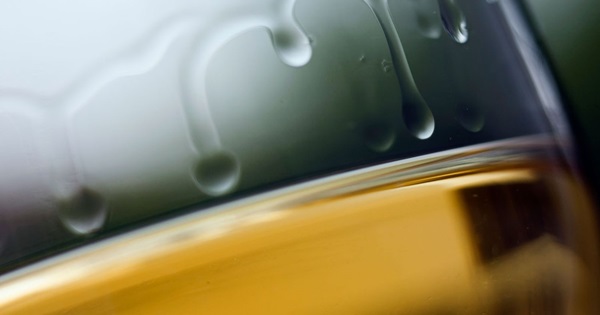
Several mistaken ideas about beer tears are going around, and they come from the world of wine and whisky. That they reveal quality, that glycerol produces them or that they form because alcohol concentrates at the top of the glass.
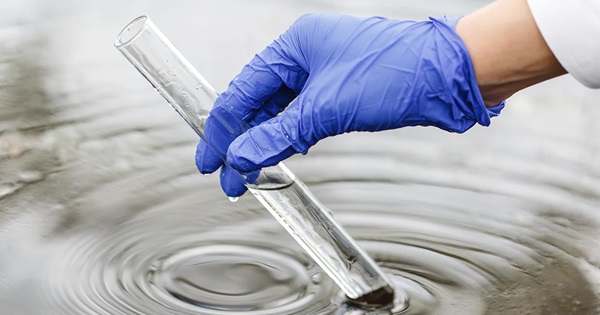
PFAS, per- and polyfluoroalkyl substances, are a large family of synthetic compounds built on carbon-fluorine bonds, among the most stable in chemistry.
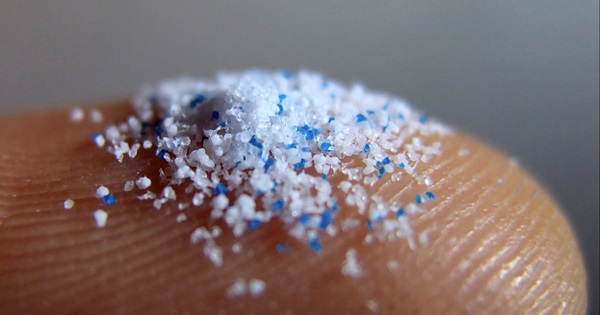
The figures vary widely between countries, from 4 particles per liter in the United States to more than 90 in Spain. Much of that difference lies in how they are measured and understanding that matters as much as the number.
Hops bring their own enzymes that break down dextrins and reactivate the yeast after dry hopping. What hop creep is, how much alcohol and CO₂ it adds and how to stop it.