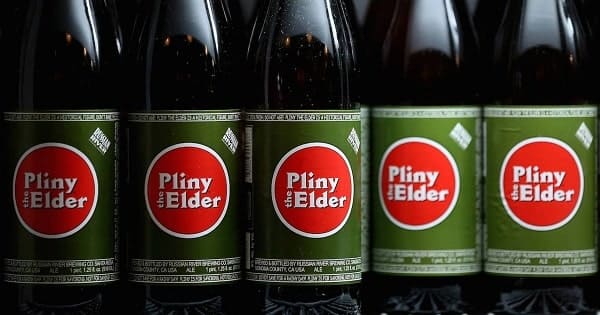
Pliny the Elder was created in 2000 as a special brew for the beer festival organized by Vic Kralj, owner of the Bistro in Hayward, California, in which only 10 breweries took part.
In the late 19th century, Anchor Brewing Company began brewing its famous Steam Beer, using local ingredients and giving up the lager brewing techniques popular at the time.
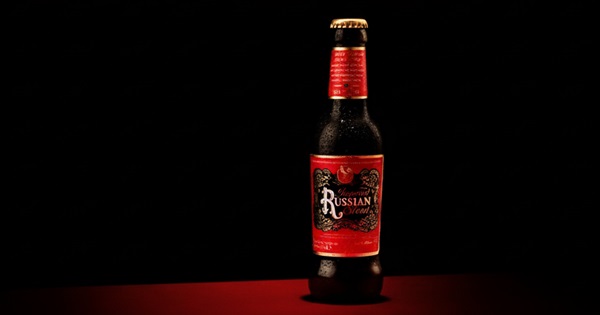
This version, especially the one produced in the 1970s–1990s, became the last direct commercial survivor of the original lineage of 18th-century London Imperial Stouts.
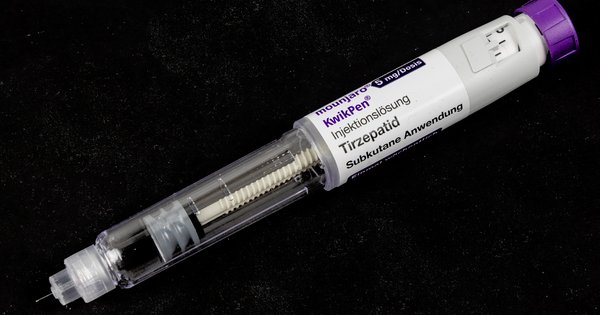
Neither Ozempic nor Mounjaro mentions alcohol in its product information, but Heineken has just warned British pubs and bars that these drugs reduce the desire to drink and that users spend 14% less on beer.
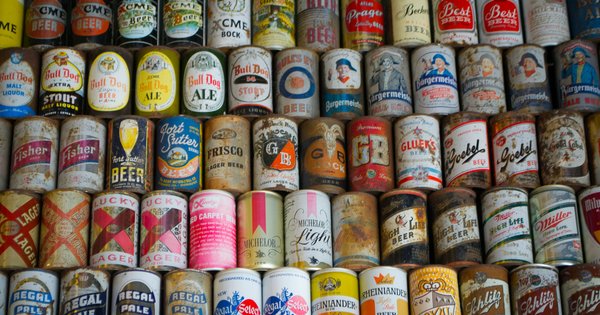
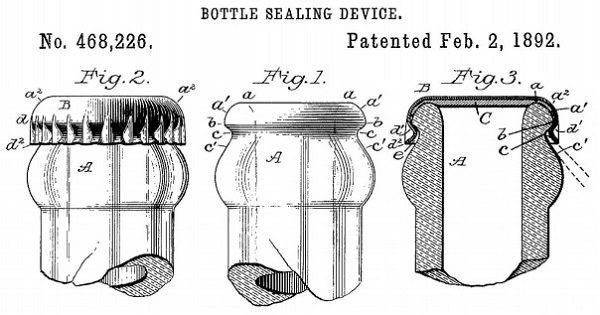
The history of the beer can, from the 1935 steel can to the cone top, aluminum, the pull tab, the Guinness widget and craft beer.
Bottle openers are part of our personal toolkit, on the key chain, in the backpack or packed as a basic utensil when we go camping.
Featured Articles
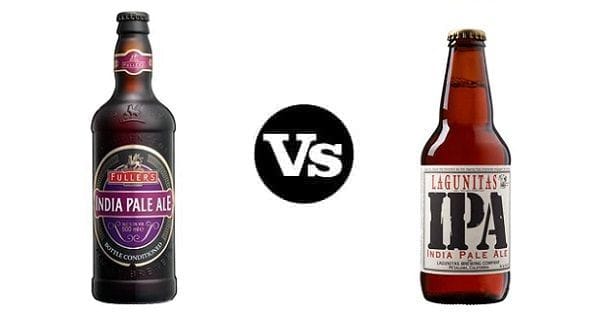
IPA beers (India Pale Ale) are a top-fermented beer style with over 200 years of history, increasingly widespread and appreciated around the world, and from which new variations emerge from time to time.
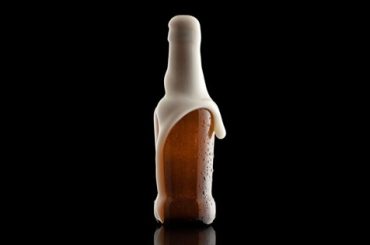
Gushing is an undesirable phenomenon in beer characterized by an excessive and violent release of carbon dioxide (CO₂) when opening a bottle or can, leading to an uncontrollable overflow of foam and liquid.
Dreaming about drinking beer doesn’t always mean the same thing. Discover what changes if you’re alone, with friends, with a stranger or drinking from a bottle. A guide to the main scenarios and their meanings.
When we drink Trappist beers, Belgium comes to mind first, yet these beers originated in France, a country not exactly known for its brewing tradition.
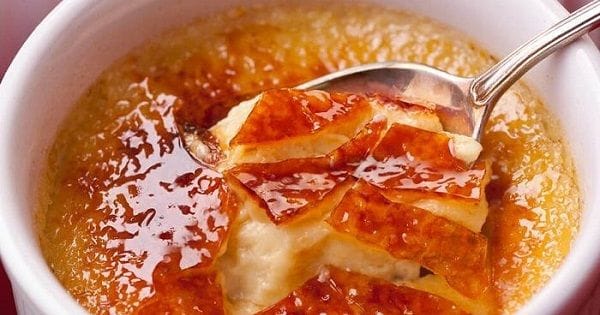
Beer crème brûlée is a French pastry classic reinvented with Belgian Blonde Ale. A rich custard with a perfectly caramelized sugar crust — ready in under an hour.
In beer tasting, crisp has nothing to do with crunch. It describes a dry, clean, fresh finish, and the BJCP defines it as an abrupt turn to sharpness.
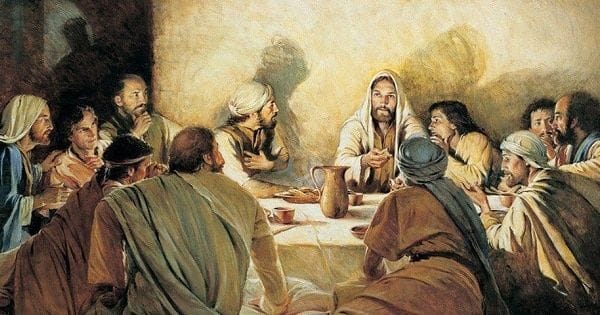
The controversial theory claiming that Christ lived in a beer-centric culture—and that his deeds and miracles involved this beverage rather than wine, as traditionally believed.
The term “hop burps” is commonly used to describe a peculiar phenomenon of rapid and frequent burps experienced after consuming beers with a high hop content.
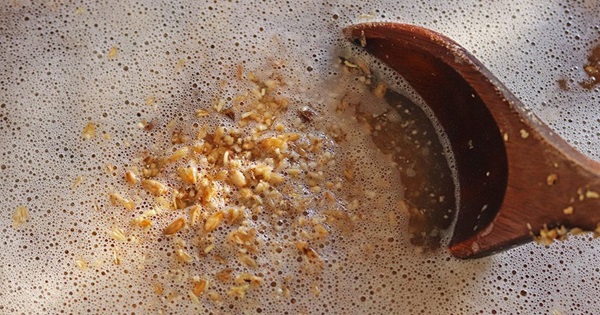
Each stage of the beer brewing process is very relevant, but mashing is the phase where fermentable sugars are extracted, defining not only the alcoholic potential of the beer but also its body, aroma, and flavor.
For about five centuries, the main role of hops in brewing has been to add the bitterness needed to balance the other ingredients in each beer.
Beer, Coca-Cola and cherry liqueur make the Goaßmass, a German cocktail that was hugely popular in the 1980s and is back with younger generations.
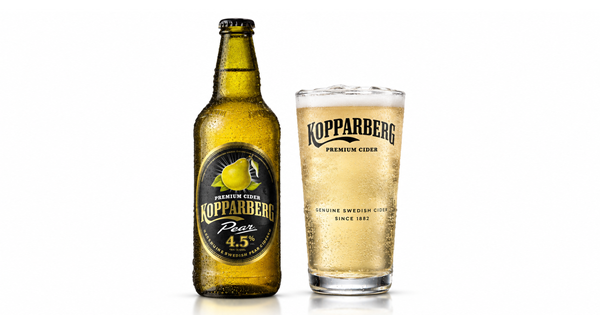
Made in Kopparberg, Sweden, by a brewery founded in 1882, Kopparberg Pear is the 4.5% sweet perry the brand suggests serving over plenty of ice.
The Belgians point to fishermen from the Meuse River, who fried potato strips when the waters froze in the 17th century. The French point to street vendors at Paris’s Pont Neuf, who popularized them in the late 18th century.
Beer lovers usually own a collection of beer glasses, yet many may not realize that several of their pieces are “nucleated” glassware, or may not know what that even means.
Enzymes are defined as complex biological catalysts of a protein nature, which trigger reactions without being modified by them or appearing in the final product.
The yeast Saccharomyces cerevisiae is found in beer, wine, and bread, but also in research laboratories, as it is the organism that initiated modern biochemistry and molecular biology and remains a fundamental testing ground for science.
Gushing is an undesirable phenomenon in beer characterized by an excessive and violent release of carbon dioxide (CO₂) when opening a bottle or can, leading to an uncontrollable overflow of foam and liquid.
A detailed look at 11 hop varieties, Calypso, Cascade, Chinook, Citra, Northern Brewer, Mount Hood, Nelson Sauvin, Nugget, Saaz, Sorachi Ace and Summit.
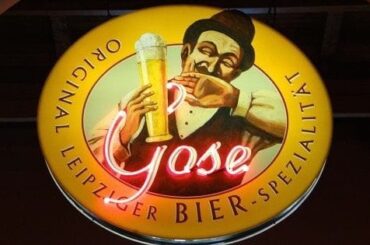
The brewing of the Gose style was established during the 16th century in the then-prosperous mining city of Goslar, in the north-central region of Germany (present-day Lower Saxony), which had built its wealth through silver extraction.
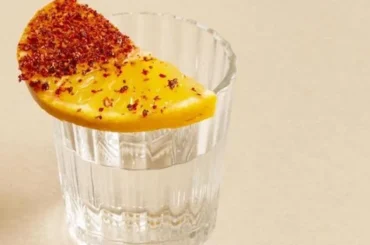
Jesús Sánchez from Conejo en la Luna restaurant in Teotihuacán shares four keys to dive into traditional mezcal without making beginner mistakes.
Michael Jackson was far more than perhaps the greatest beer writer who ever lived. He was an educator and ambassador who revived interest in beer at its lowest point in quality, variety, and appreciation.
Under the Reinheitsgebot, sugars not derived from malt could not be used to carbonate beer, so brewers needed alternative ways to supply a small extra dose taken from an actively fermenting wort.
The Egyptian scribe Amennajet narrates concisely, in an impersonal tone, unprecedented conduct unanimously adopted by the workers of the Pharaoh’s Tomb due to the poor working conditions that existed.
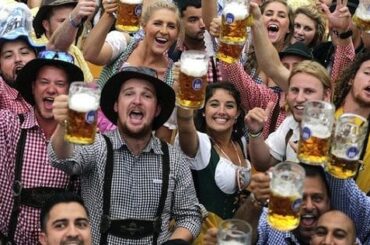
The history of the Munich Oktoberfest dates back to October 12, 1810, when Prince Ludwig of Bavaria, son of King Maximilian I, married Princess Therese of Saxe-Hildburghausen.
Valdivia’s brewing tradition began at the Anwandter Brewery, founded in 1851 by Karl August Wilhelm Paschen Anwandter Fick, a German settler who came in 1850.
Beer crème brûlée is a French pastry classic reinvented with Belgian Blonde Ale. A rich custard with a perfectly caramelized sugar crust — ready in under an hour.
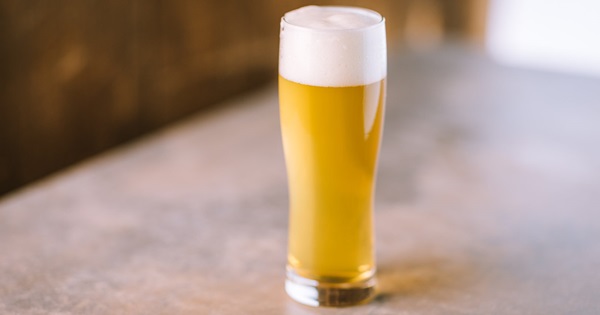
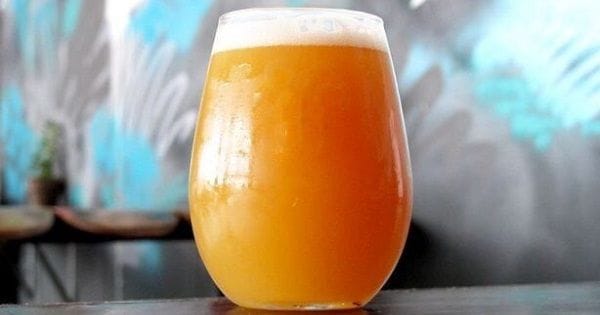
Pliny the Elder is not just a beer; it is a living legend of the American craft beer movement and an absolute benchmark for the Double IPA style, coveted and studied by brewers and enthusiasts worldwide.
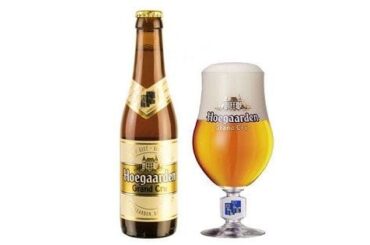
Hoegaarden Grand Cru is a Belgian Strong Ale brewed by Hoegaarden in Belgium, with 8.5% ABV, 29 IBU and 255 calories, best served in a Tulip or Snifter glass.
Hoegaarden Wit is one of the world’s most iconic beers, a Belgian wheat beer whose pale yellow color and natural haze win you over at first sight.
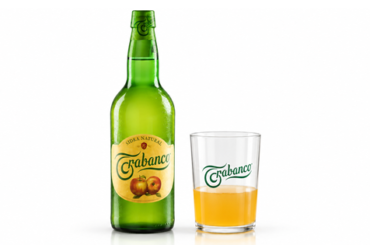
Trabanco Tradicional is the yellow-label natural cider of a Gijón house making cider since 1925, fermented with natural yeasts mostly in chestnut casks.
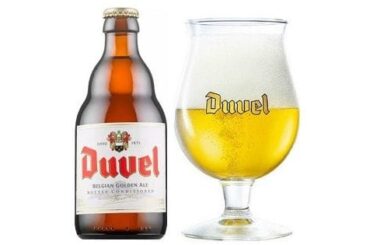
Duvel is an emblematic Belgian beer that, since its creation in the 1920s, has achieved iconic status in the beer world for its complexity and balance.
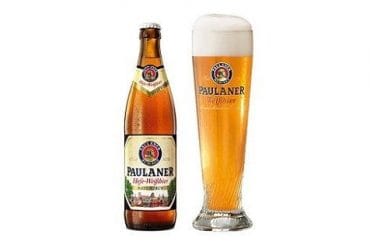
Paulaner Hefe-Weissbier, a German wheat beer with notes of banana, clove, and citrus, is perfect for pairing with Bavarian dishes, fresh cheeses, roasted vegetables, and citrus desserts. Its unique flavor and versatility make it ideal for any occasion.
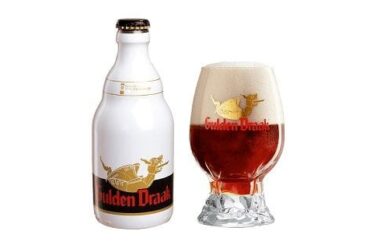
Gulden Draak is a Belgian strong ale-style beer originating from Ertvelde, Belgium, and brewed by Brouwerij Van Steenberge, with 10.5% ABV, 18 IBU, and 255 total calories.
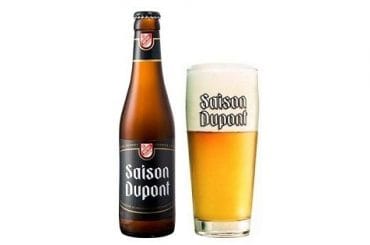
Saison Dupont is a Belgian top-fermented beer, bottle-conditioned, brewed since 1844 during the winter to quench the thirst of the “saisoniers” who would work in the fields during the summer.
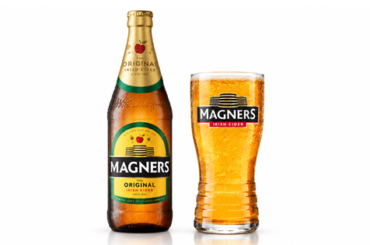
Made in Clonmel since 1935 with 17 apple varieties, Magners Original is the 4.5% semi-sweet Irish cider the brand suggests serving in a pint over ice.
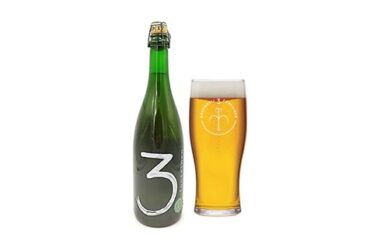
3 Fonteinen Oude Geuze is a blend of one, two and three year old spontaneously fermented lambics, barrel-aged and bottle-refermented, with lively acidity and an earthy profile typical of the style.
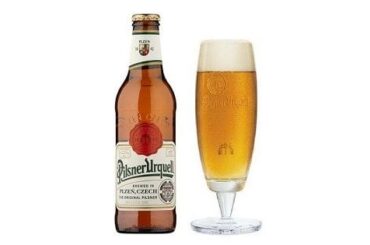
Pilsner Urquell is the first beer of its kind in history and the one from which, for better or worse, all others in its style were developed. Its quality is guaranteed by the use of the original recipe.
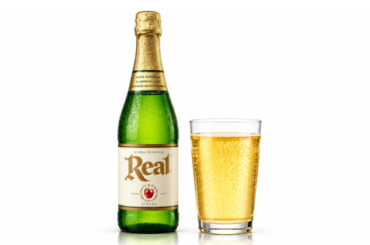
Sidra Real Etiqueta Blanca is the everyday cider of CCU Argentina’s longest-running brand, made in the Alto Valle de Río Negro from red and green apples.
The best-selling beer in each Latin American country with 2024 to 2026 data, from Brazil and Mexico to Costa Rica, and the brewing groups that control the market.
The beer Pliny the Elder takes its name in honor of the Roman traveler, naturalist, historian, and writer Gaius Minor Plinius Caecilius Secundus, who is credited with having given the first botanical name for hops.
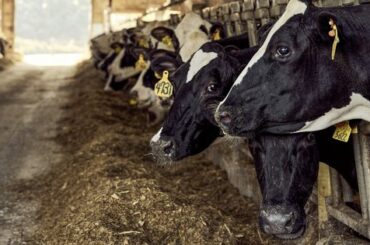
The Brews to Barns Act would give small US breweries 8 cents per pound of spent grain donated to farms, capped at $35,000 a year.
Of the 10 most expensive beers in the world, some hit astronomical prices on release, while others are still brewed in exclusive batches.
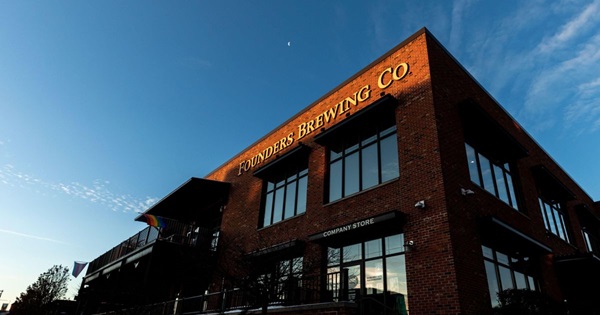
Mahou San Miguel has announced the acquisition of 100% of Founders Brewing, one of the most prestigious craft breweries in the United States, based in Grand Rapids, Michigan.
Grupo Modelo hands over the store ready to operate and pays the rent, and the operator puts up an initial investment that starts at 60,000 pesos, according to the company itself, and that goes entirely toward inventory.
Corona Extra is the world’s most valuable beer brand in 2026, worth $13.9 billion. Brand Finance ranking plus the historic 2018 list.
Climate change is not only transforming ecosystems and altering weather patterns but is also putting at risk one of humanity’s most iconic cultural products: beer.
“The Beer Hunter” is a late-1980s series featuring journalist and writer Michael Jackson as he travels the world in search of the finest beers.
This study, published in Foods, represents the first systematic analysis of umami peptides present in lager beer and their multidimensional effects on the sensory properties of the beer body.
Nitro beer has been dismissed as a passing trend more than once — yet it keeps finding new fans and new formats. From the Guinness widget to nitro Cream Ales and Lagers, here is the science and history behind the nitrogen revolution in beer.
To identify S. chiloensis as a new species, scientists used an integrative taxonomy approach, combining analysis of genomic sequences, reproductive isolation studies, and phenotypic analyses.
The cold chain essentially means that the product being distributed is kept refrigerated at a constant temperature at all times, including during transportation.
E-E-A-T — Experience, Expertise, Authoritativeness, and Trustworthiness — is one of the core frameworks Google uses to assess content quality. Learn what it means for SEO and how craft beer sites can build it.
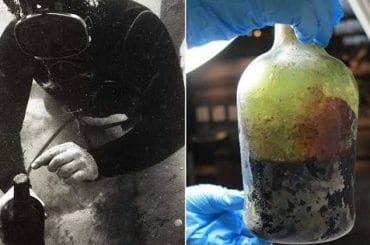
The discovery of a 220-year-old beer bottle recovered from the Sydney Cove, sunk in Australian waters near Tasmania, has inspired the creativity of a team of researchers.
Brewing beer with less than 0.5% alcohol involves stopping fermentation early or removing ethanol afterward, and in both cases more residual fermentable sugar remains in the liquid than in a conventional beer.
Plastic packaging has changed the way we live. It is cheap, can be molded into almost any shape and is generally easy to recycle.
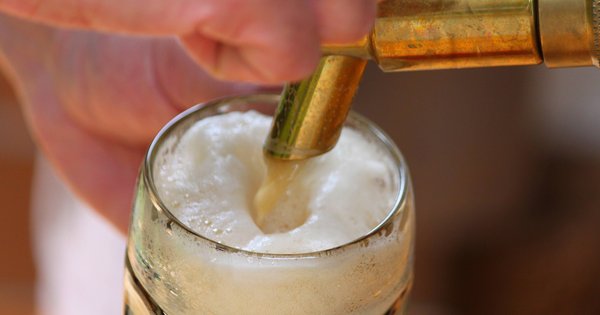
Craft and independent brewers dedicate a great deal of time, effort, and resources to making the best beer possible, but all of this hard work can be ruined in the time it takes the beer to travel from the keg to the pint.
Hops bring their own enzymes that break down dextrins and reactivate the yeast after dry hopping. What hop creep is, how much alcohol and CO₂ it adds and how to stop it.
Pressurization with liquid nitrogen enables lighter, thinner PET bottles without compromising structural integrity — reducing plastic use and distribution costs.
A Saison and a Sweet Stout start from similar original gravities but end up at opposite extremes, one very dry and the other sweet. The difference lies in how much work the yeast did and in what it left unfermented.
An uncomfortable reality in the mass certification circuit is that many judges have never brewed professionally, leaving them without the tools to diagnose processes they claim to correct from score sheets.
The Brews to Barns Act would give small US breweries 8 cents per pound of spent grain donated to farms, capped at $35,000 a year.
Grupo Modelo hands over the store ready to operate and pays the rent, and the operator puts up an initial investment that starts at 60,000 pesos, according to the company itself, and that goes entirely toward inventory.
The decline is especially marked among young people aged 15 to 24, who have reduced their usual consumption by around 60% over the last two decades. Spain is the fifth country in the European Union with the most abstainers.
Next Glass acquired BeerAdvocate in February 2020 in a deal that brought under one roof the oldest beer review community on the internet and the world’s most popular consumption tracking app.
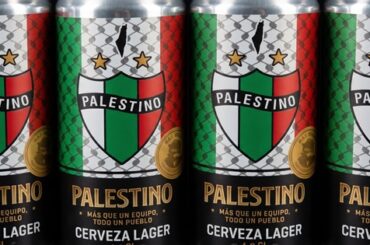
Over 500,000 people of Palestinian descent live in Chile today, where second, third, and fourth-generation families keep alive the language, traditions, and memory of a territory many have never been able to return to.
The big brewers trade on the NYSE, Euronext and the Tokyo Stock Exchange. A guide to investing in AB InBev, Heineken, Carlsberg, Constellation Brands and Molson Coors from Latin America and Spain.
That relationship was described by the English chemist William Henry, and today it rules everything from the bottle cap to the regulator on a keg. That is why a British ale, a weissbier and a Czech pilsner can feel so different in the glass.
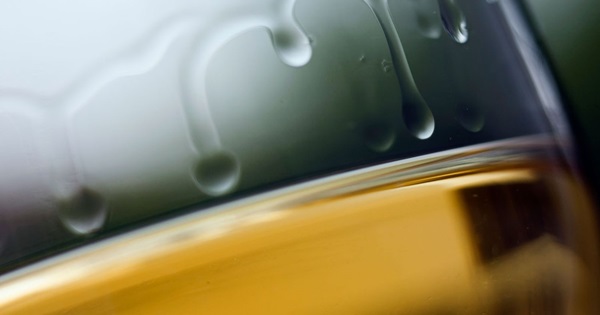
Several mistaken ideas about beer tears are going around, and they come from the world of wine and whisky. That they reveal quality, that glycerol produces them or that they form because alcohol concentrates at the top of the glass.
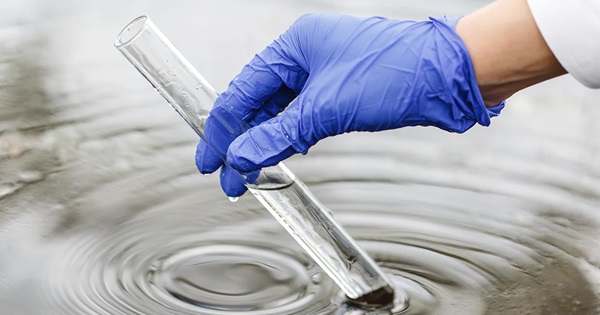
PFAS, per- and polyfluoroalkyl substances, are a large family of synthetic compounds built on carbon-fluorine bonds, among the most stable in chemistry.
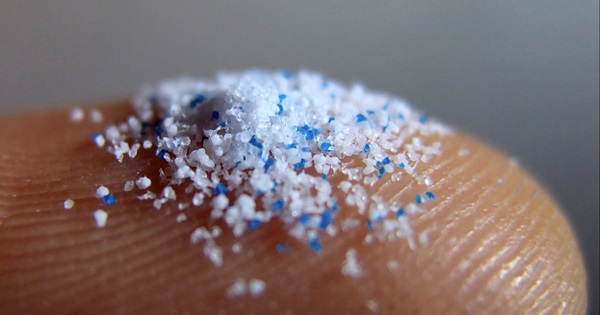
The figures vary widely between countries, from 4 particles per liter in the United States to more than 90 in Spain. Much of that difference lies in how they are measured and understanding that matters as much as the number.
Hops bring their own enzymes that break down dextrins and reactivate the yeast after dry hopping. What hop creep is, how much alcohol and CO₂ it adds and how to stop it.