A no-yeast homemade pizza dough made with craft beer and a par-baked pizza base made with brewer’s spent grain, with ingredients and step-by-step instructions.

A no-yeast homemade pizza dough made with craft beer and a par-baked pizza base made with brewer’s spent grain, with ingredients and step-by-step instructions.

Mixed fermentation brings together organisms from different genera, such as Saccharomyces with Brettanomyces or lactic acid bacteria. What defines it and why it takes months.

What a beer keg is, how many liters a beer barrel holds, how much a keg weighs and which types exist, including DIN, Cornelius and KeyKeg.

Learn how to make this simple beer-braised congrio with shrimp, tomato and a Pilsner, a versatile white fish from Chilean cuisine.

A versatile, easy beer rice recipe that works as a side for meat and fish or as a main course, cooked in beer and vegetable broth.

Baked beer donuts made with an Amber Ale, with ingredients, step-by-step instructions and a short history of the donut.
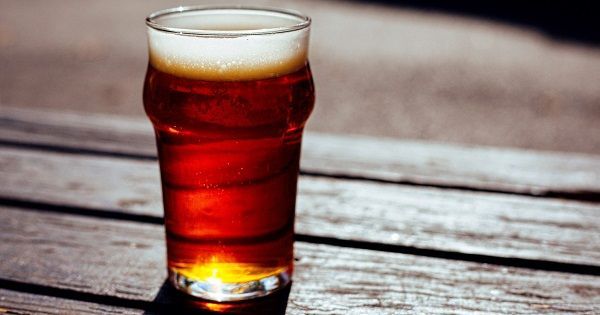
In simple words, beer is an alcoholic beverage made from starches obtained from cereals and other grains, flavored and aromatized with hops, which are then fermented in water with yeasts of the genus Saccharomyces.

Fresh hops generally refer to hops that are used immediately after drying, while wet hops never reach this point in the process.
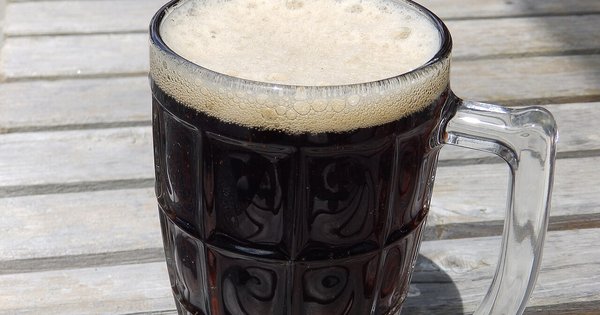
Root beer is a soft drink made with roots, barks and spices. Learn about its origin, its ingredients, why it is called beer and whether it contains alcohol.

The most studied kokumi substances, γ-glutamyl peptides, activate the calcium-sensing receptor (CaSR), a close relative of the T1R1, T1R2, and T1R3 receptors, which detect sweet and umami tastes.
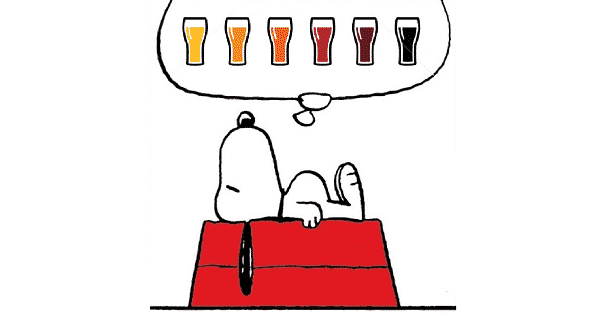
Dreaming about drinking beer doesn’t always mean the same thing. Discover what changes if you’re alone, with friends, with a stranger or drinking from a bottle. A guide to the main scenarios and their meanings.

The legend about the origin of IPAs says that British brewers were looking to develop a recipe that could be exported to India, a very difficult journey where it was exposed to dramatically extreme temperatures.
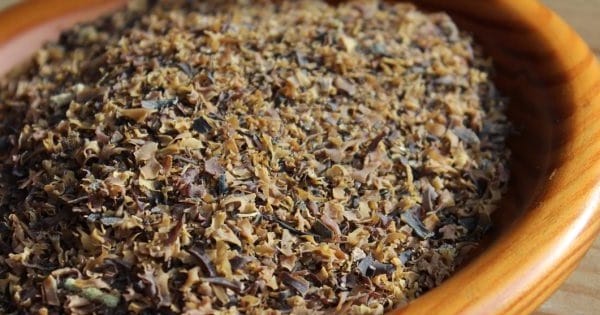
Irish moss, or carrageenan, is a red seaweed used to clarify and stabilize beer during the boil. Learn how it works, how to use it, and how it compares to other fining agents.

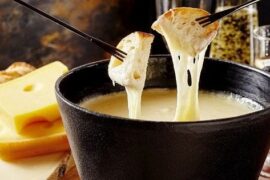
Cheese fondue is one of the emblematic dishes of Swiss cuisine, originating in Romandy, also known as French-speaking Switzerland. Here it is made with stout.

In South Korea, the two most popular alcoholic beverages are soju and beer. This is why the smooth and delicious beer cocktail known as “somaek” has gained immense popularity, creating a perfect combination of both.
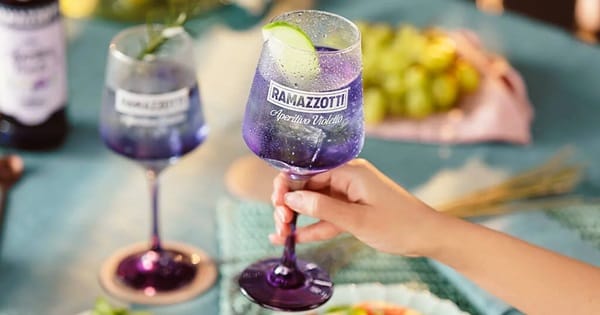
Ramazzotti Violetto is an Italian lavender and elderflower aperitif created for Chile. Step-by-step recipes for the Violetto Tonic and Violetto Spritz.

The idea that beer cleans the kidneys is a myth rooted in many cultures, especially in countries with a brewing tradition.
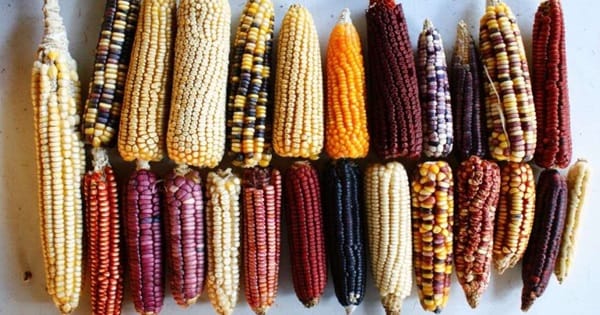
Sendechó is a Mexican fermented beverage of pre-Hispanic origin that seeks to be revitalized as an innovative and artisanal alternative within the modern world of low-alcohol beverages with functional properties.
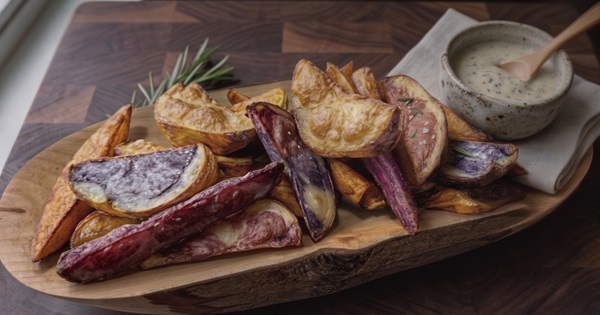
The Belgians point to fishermen from the Meuse River, who fried potato strips when the waters froze in the 17th century. The French point to street vendors at Paris’s Pont Neuf, who popularized them in the late 18th century.

Beer aftertaste depends on bitter receptors, retronasal aroma and the chemistry of tannins and terpenes. What the science says and how to assess it.

Brouwerij Bosteels brews “Deus Brut Des Flandres”, a Champagne-style Belgian beer also known as “the champagne of beer”.

First Wort Hopping (FWH) means adding a large volume of late-addition hops to the kettle as the wort is transferred from the mash tun.
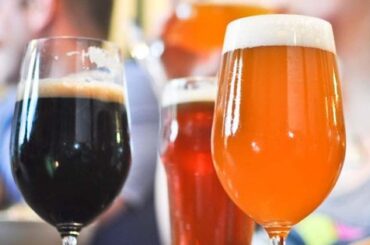
Everyone seems to understand it, but no one defines it the same way, although brewing research has been trying to pin it down since 2005 with the first review of the concept published in the journal of the Master Brewers Association of the Americas.
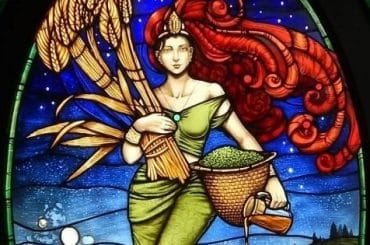
For early humanity, beer was perhaps the most important staple in their diet—a valuable source of protein and vitamins, and a crucial milestone in ensuring our survival as a species.
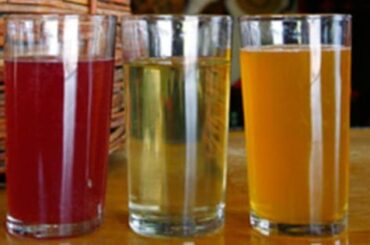
Chile’s SAG is backing family farming by recognizing traditional “Pipeño” as a unique alcoholic beverage distinct from wine.

The legend about the origin of IPAs says that British brewers were looking to develop a recipe that could be exported to India, a very difficult journey where it was exposed to dramatically extreme temperatures.
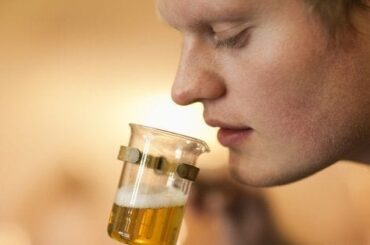
A blind tasting is one where you don’t know which beer you’re tasting, nor its brand, its price, or its label. It lets you judge what is in the glass, not what you expect to find in it.
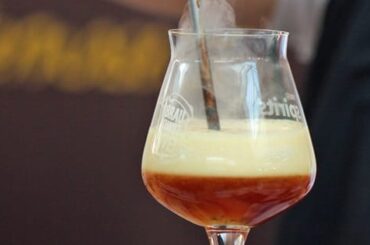
Bierstacheln, known in English as beer spiking, is a traditional German technique that adds a unique dimension to the experience of serving and tasting a beer.

Astringency is a tactile sensation that causes dryness and roughness on the tongue, palate, and gums. It originates from the interaction of tannins and other polyphenols with the proteins in saliva.

25 beer quotes from Churchill, Bukowski, Murakami and Homer Simpson, with the fake quotes attributed to Franklin, Jefferson and Plato corrected.

Adding mushrooms to beer is creating a new wave of styles that blend tradition and innovation, driven by the sensory richness and the health benefits they may offer.

Spent grain bread is a delicious, sustainable and nutritious option made from a byproduct of the brewing process, the mashed malt grains.
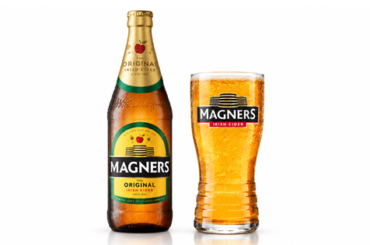
Made in Clonmel since 1935 with 17 apple varieties, Magners Original is the 4.5% semi-sweet Irish cider the brand suggests serving in a pint over ice.
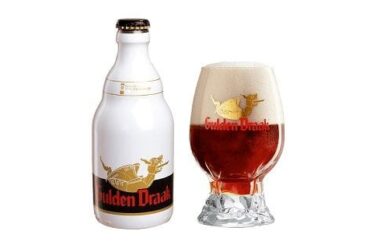
Gulden Draak is a Belgian strong ale-style beer originating from Ertvelde, Belgium, and brewed by Brouwerij Van Steenberge, with 10.5% ABV, 18 IBU, and 255 total calories.
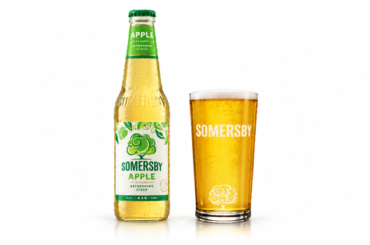
In 2012 it grew fastest among the world’s top ten cider brands, per Carlsberg, and it now sells in over 40 countries in versions tailored to each market.
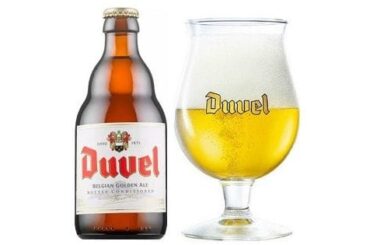
Duvel is an emblematic Belgian beer that, since its creation in the 1920s, has achieved iconic status in the beer world for its complexity and balance.

Pliny the Elder is not just a beer; it is a living legend of the American craft beer movement and an absolute benchmark for the Double IPA style, coveted and studied by brewers and enthusiasts worldwide.
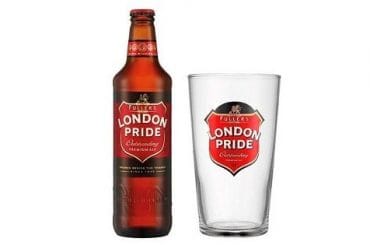
Fuller’s London Pride is one of England’s most iconic beers and a true emblem of the Best Bitter style, appreciated by generations of beer lovers around the world.
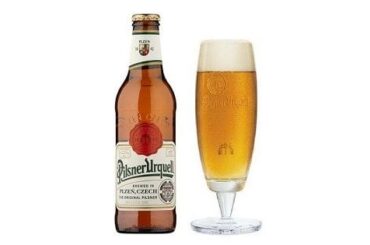
Pilsner Urquell is the first beer of its kind in history and the one from which, for better or worse, all others in its style were developed. Its quality is guaranteed by the use of the original recipe.
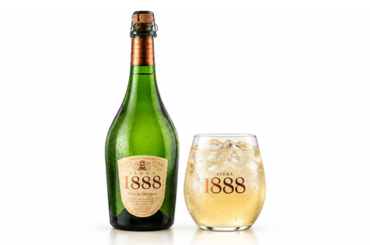
Sidra 1888 is the 5% cider Sáenz Briones makes from red apples in Argentina’s Alto Valle de Río Negro, at a company owned by CCU since 2010.
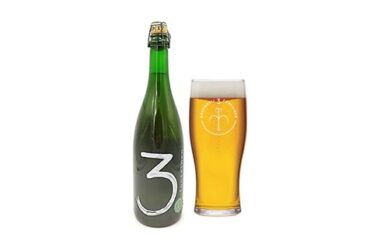
3 Fonteinen Oude Geuze is a blend of one, two and three year old spontaneously fermented lambics, barrel-aged and bottle-refermented, with lively acidity and an earthy profile typical of the style.
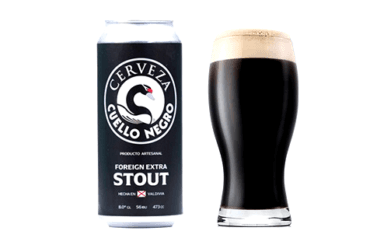
Cuello Negro Stout is a craft beer made with pure water from the Valdivian rainforest in southern Chile, whose flavor comes from a careful brewing process that gives it an unmistakable distinctive character.
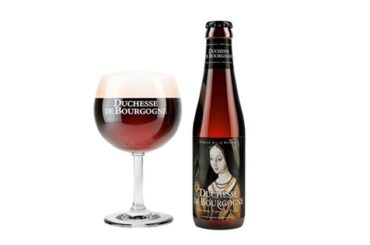
Duchesse de Bourgogne spends years maturing in oak barrels before reaching the glass—a process that has made it one of the most recognized Flanders Red Ales in Belgium.
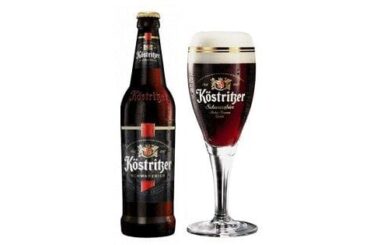
Köstritzer Schwarzbier is a bottom-fermented black lager. It has been produced since 1543 by the Köstritzer Schwarzbierbrauerei brewery, in the German state of Thuringia.
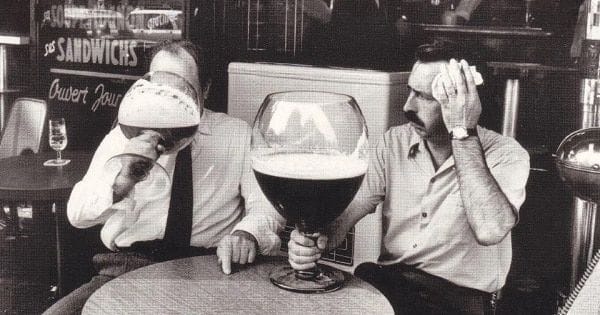
A person’s reaction to alcohol can vary significantly from one individual to another, and some people seem to get intoxicated faster than others.

Climate change is not only transforming ecosystems and altering weather patterns but is also putting at risk one of humanity’s most iconic cultural products: beer.
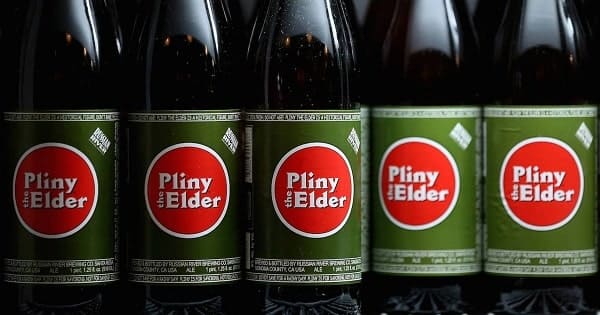
The beer Pliny the Elder takes its name in honor of the Roman traveler, naturalist, historian, and writer Gaius Minor Plinius Caecilius Secundus, who is credited with having given the first botanical name for hops.

The big brewers trade on the NYSE, Euronext and the Tokyo Stock Exchange. A guide to investing in AB InBev, Heineken, Carlsberg, Constellation Brands and Molson Coors from Latin America and Spain.

The decline is especially marked among young people aged 15 to 24, who have reduced their usual consumption by around 60% over the last two decades. Spain is the fifth country in the European Union with the most abstainers.
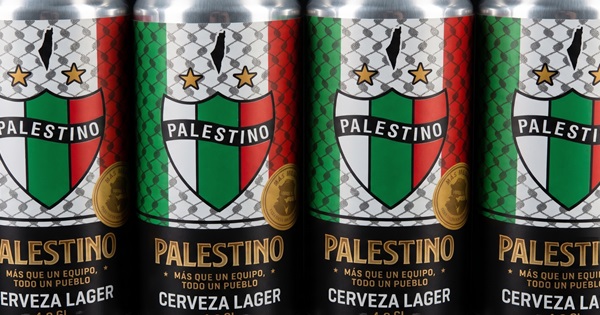
Over 500,000 people of Palestinian descent live in Chile today, where second, third, and fourth-generation families keep alive the language, traditions, and memory of a territory many have never been able to return to.

Corona Extra is the world’s most valuable beer brand in 2026, worth $13.9 billion. Brand Finance ranking plus the historic 2018 list.

Cristal and Pilsen Callao, from Backus, are Peru’s best-selling beers. Learn their history and other brands such as Cusqueña, San Juan, Tres Cruces and Barbarian.

The best-selling beer in each Latin American country with 2024 to 2026 data, from Brazil and Mexico to Costa Rica, and the brewing groups that control the market.

Beyond Guinness, Ireland has many other beer brands and styles to enjoy in the island’s favorite social pastime, drinking beer.

The first thing to understand is that IBU, from a chemical perspective, does not refer to the perceived flavor in beer, but rather to the levels of certain bitter compounds dissolved in the liquid.

Untappd, the most widely used beer check-in and rating app in the world, released version 5.0 on October 15, 2026, and with it adds wine, liquor and spirits to its catalog.
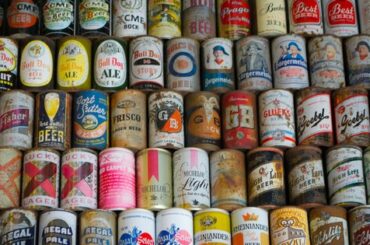
The history of the beer can, from the 1935 steel can to the cone top, aluminum, the pull tab, the Guinness widget and craft beer.
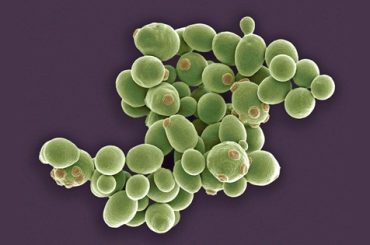
The rise of non-alcoholic or low-alcohol beers has led the brewing industry to explore new yeast strains and fermentation techniques.

When beer is introduced into a rotor spinning at high revolutions, a centrifugal force is generated that can reach between 5,000 and 10,000 times the Earth’s gravity. This acceleration reduces sedimentation time to fractions of a second.

A team at Chalmers University of Technology has developed a biodegradable construction material made from baker’s yeast, algae alginate, wood cellulose, and vegetable glycerol—3D printable at room temperature with no heating, no support structures, and no waste.

MiniBrew is a device that promises to make brewing beer as simple as making a cup of instant coffee in the morning.
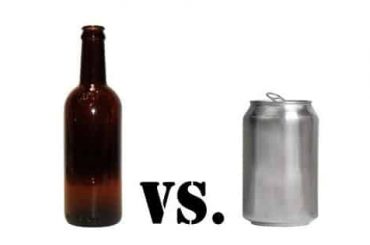
Every consumer already has their preferences: some reject cans while others love the creative designs they can carry. This article cuts through the aesthetics to lay out the objective facts on which format is better depending on the conditions.

E-E-A-T — Experience, Expertise, Authoritativeness, and Trustworthiness — is one of the core frameworks Google uses to assess content quality. Learn what it means for SEO and how craft beer sites can build it.
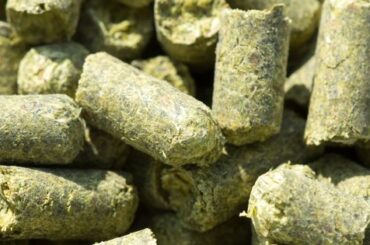
Hops bring their own enzymes that break down dextrins and reactivate the yeast after dry hopping. What hop creep is, how much alcohol and CO₂ it adds and how to stop it.

This study, published in Foods, represents the first systematic analysis of umami peptides present in lager beer and their multidimensional effects on the sensory properties of the beer body.

The relationship between the chemical composition of a beer and its consumer appreciation has been an elusive field for food science, due to the non-linear nature of perception and its complex interactions.
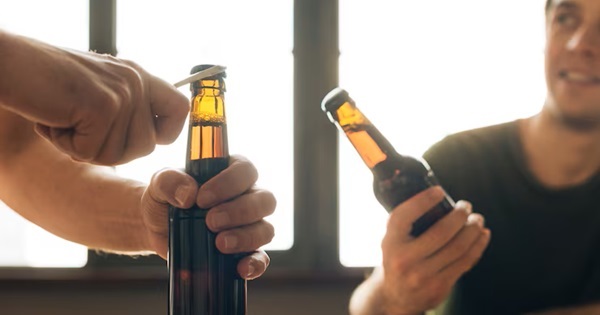
From regulatory, technical elaboration, chemical composition, or organoleptic profile, understanding this distinction is fundamental to properly valuing this beverage that has gained relevance in recent years.
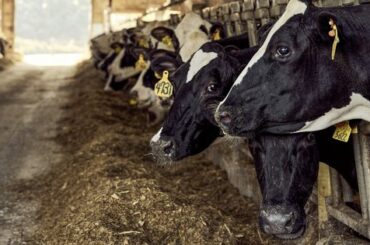
The Brews to Barns Act would give small US breweries 8 cents per pound of spent grain donated to farms, capped at $35,000 a year.

Grupo Modelo hands over the store ready to operate and pays the rent, and the operator puts up an initial investment that starts at 60,000 pesos, according to the company itself, and that goes entirely toward inventory.

The decline is especially marked among young people aged 15 to 24, who have reduced their usual consumption by around 60% over the last two decades. Spain is the fifth country in the European Union with the most abstainers.

Next Glass acquired BeerAdvocate in February 2020 in a deal that brought under one roof the oldest beer review community on the internet and the world’s most popular consumption tracking app.
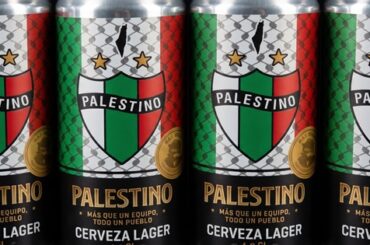
Over 500,000 people of Palestinian descent live in Chile today, where second, third, and fourth-generation families keep alive the language, traditions, and memory of a territory many have never been able to return to.

The big brewers trade on the NYSE, Euronext and the Tokyo Stock Exchange. A guide to investing in AB InBev, Heineken, Carlsberg, Constellation Brands and Molson Coors from Latin America and Spain.
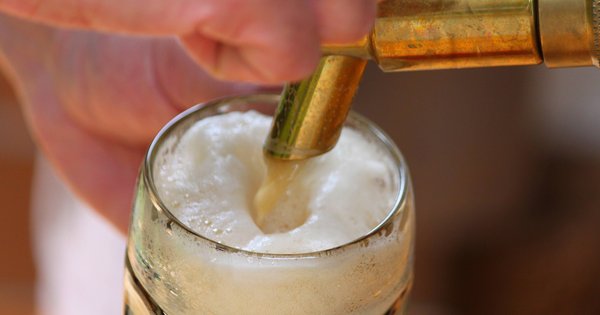
That relationship was described by the English chemist William Henry, and today it rules everything from the bottle cap to the regulator on a keg. That is why a British ale, a weissbier and a Czech pilsner can feel so different in the glass.
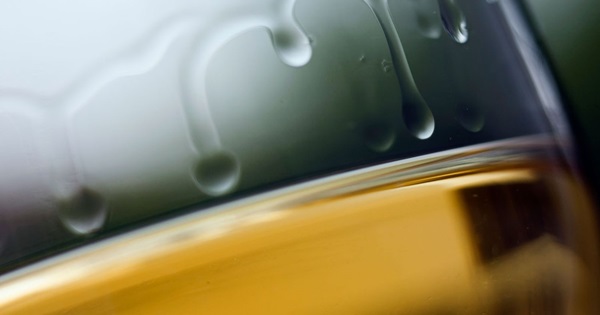
Several mistaken ideas about beer tears are going around, and they come from the world of wine and whisky. That they reveal quality, that glycerol produces them or that they form because alcohol concentrates at the top of the glass.
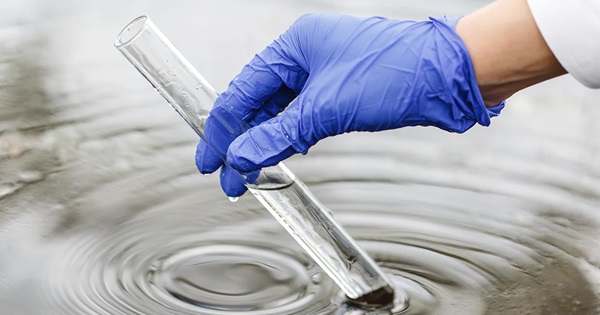
PFAS, per- and polyfluoroalkyl substances, are a large family of synthetic compounds built on carbon-fluorine bonds, among the most stable in chemistry.
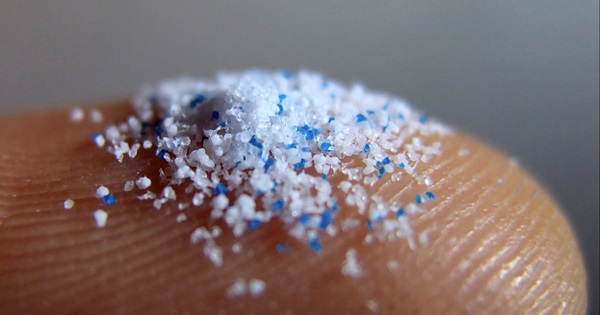
The figures vary widely between countries, from 4 particles per liter in the United States to more than 90 in Spain. Much of that difference lies in how they are measured and understanding that matters as much as the number.
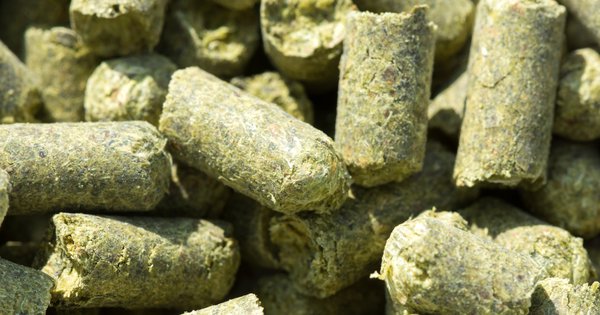
Hops bring their own enzymes that break down dextrins and reactivate the yeast after dry hopping. What hop creep is, how much alcohol and CO₂ it adds and how to stop it.